Project Procurement
Compare solutions by facility, climate and required coverage area.
Explore
INDUSTRIAL VENTILATION & COOLING SINCE 2003
HVLS fans and evaporative cooling systems for warehouses, factories and large commercial spaces, exported to 90+ countries and regions.
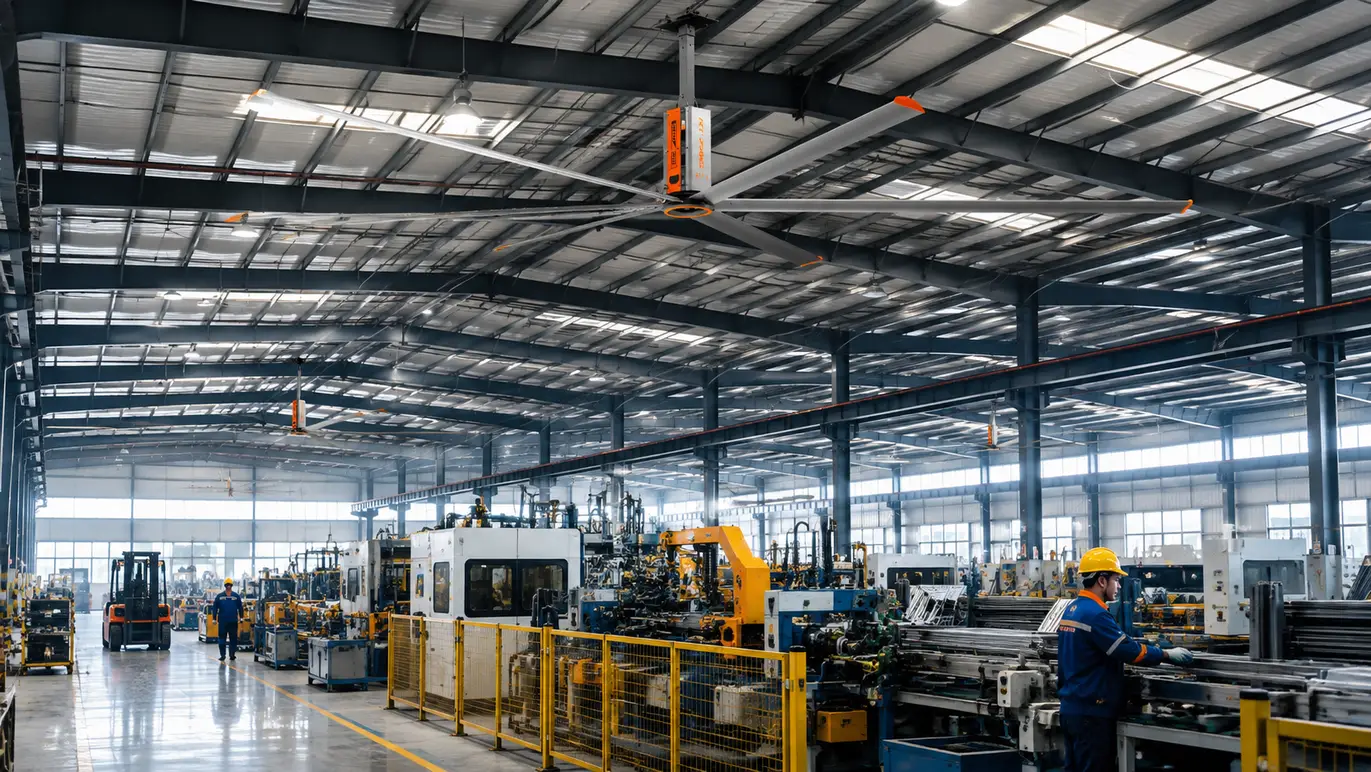
Compare equipment by space type, ceiling clearance, ambient climate and required coverage area.
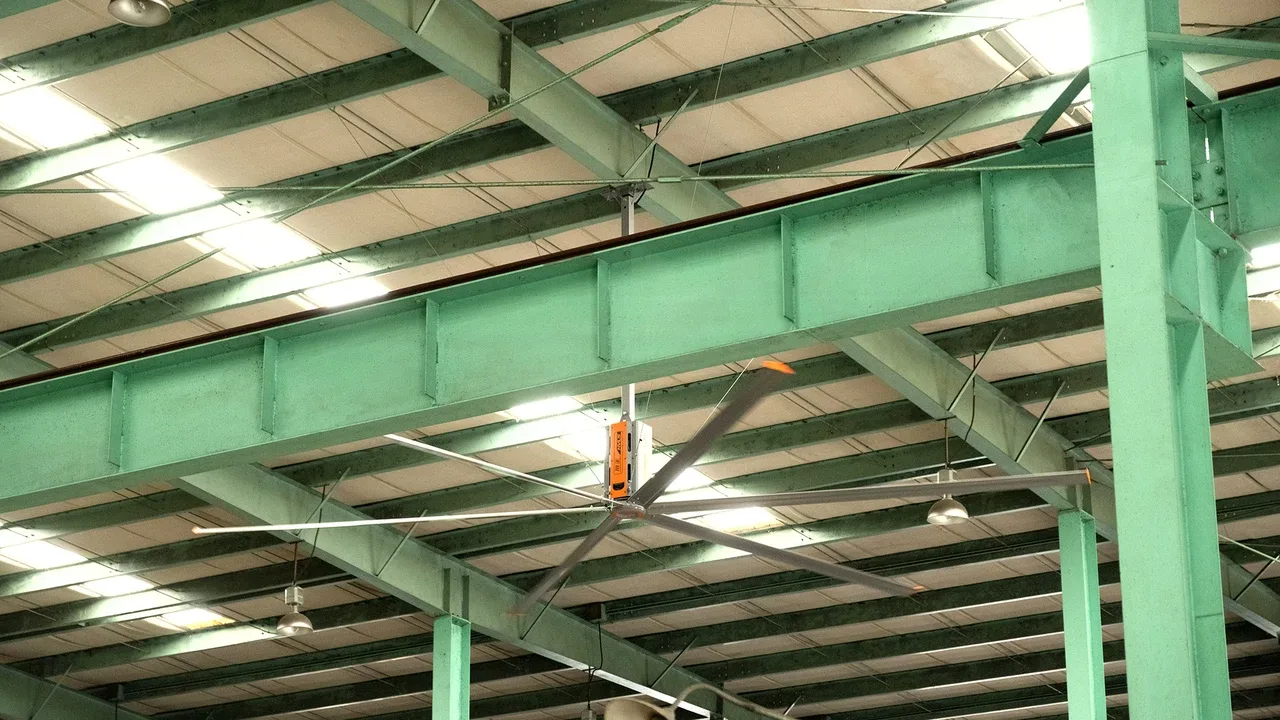 King Series / 6-Blade
Move massive volumes of air at low speed to improve worker comfort and reduce stagnant heat across large floor areas.
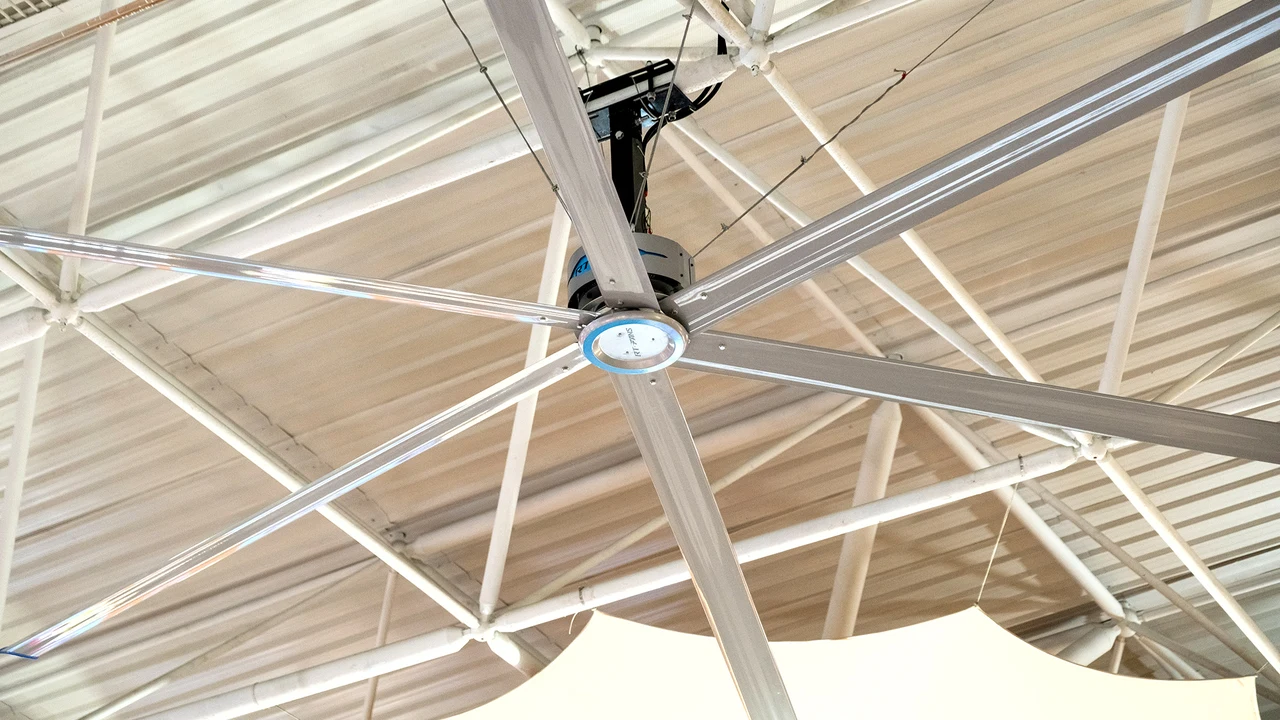 PMSM Direct Drive
Gearless permanent-magnet direct-drive technology delivers high torque with lower noise and simplified maintenance.
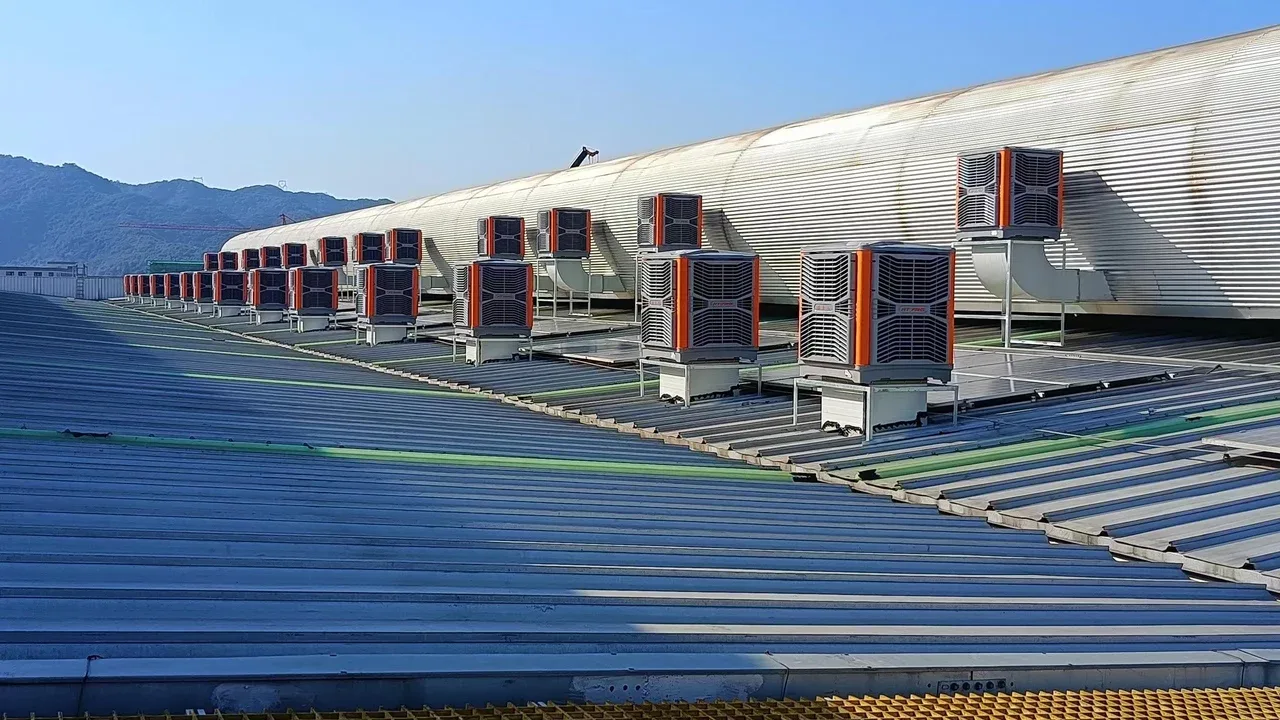 RTF-20 / RTF-25 Series
Introduce continuous fresh cooled air while supporting positive pressure and air exchange.
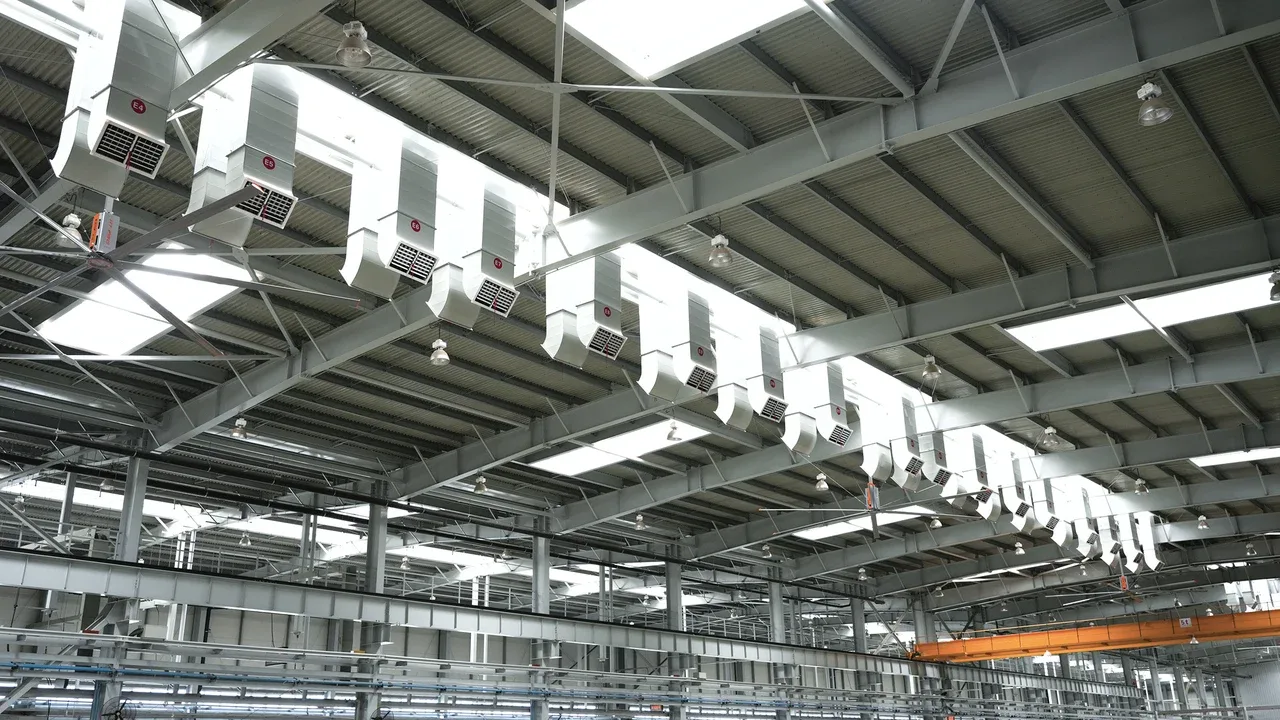 Combo System (H+AC)
Combine evaporative cooling with HVLS airflow to distribute cooled fresh air across a much wider working area.
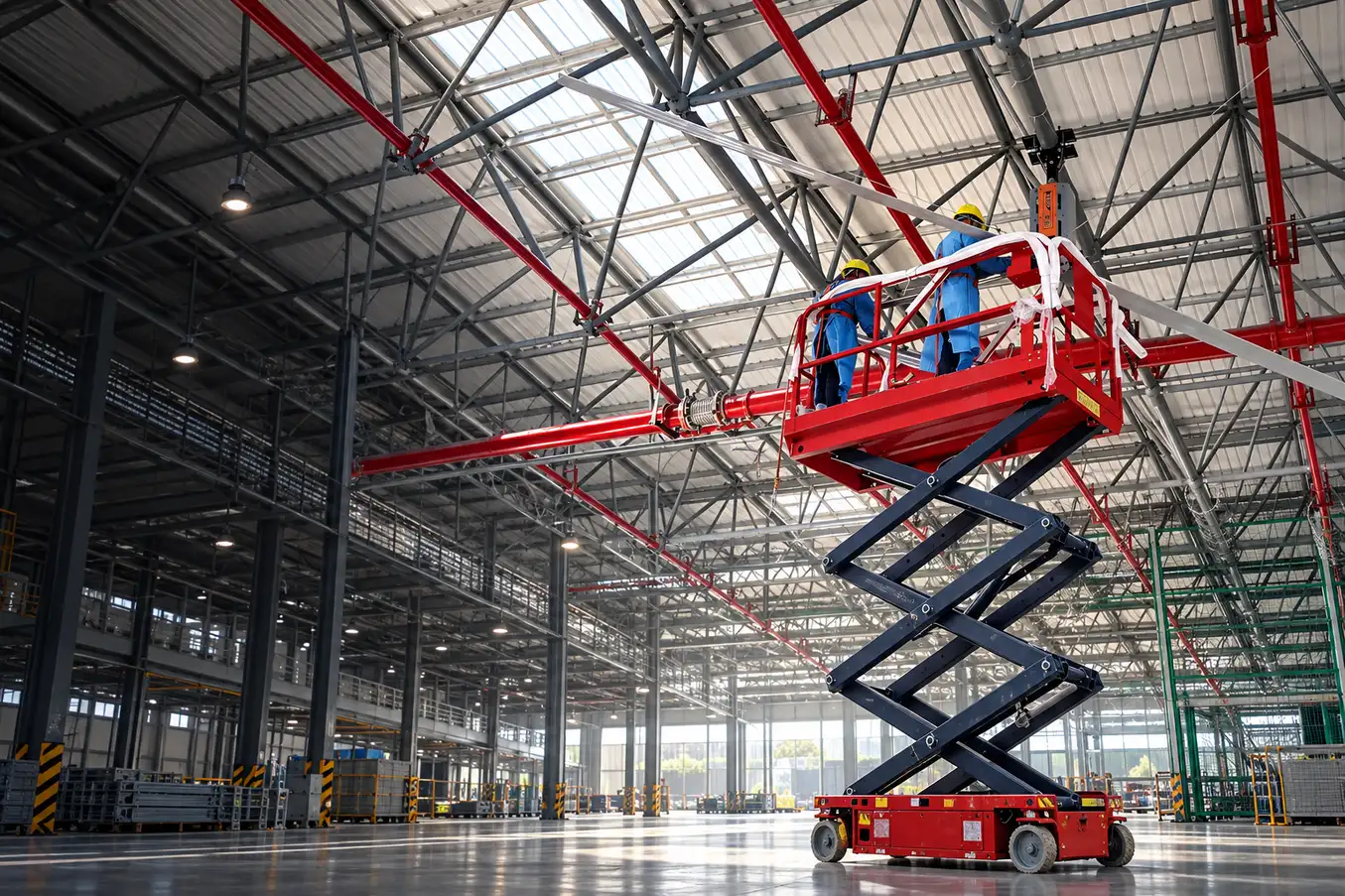 HVLS fan installation
Large-space ventilation begins above the floor. We review mounting conditions, ceiling obstructions and the areas where people and processes need consistent air movement.
Explore warehouse cooling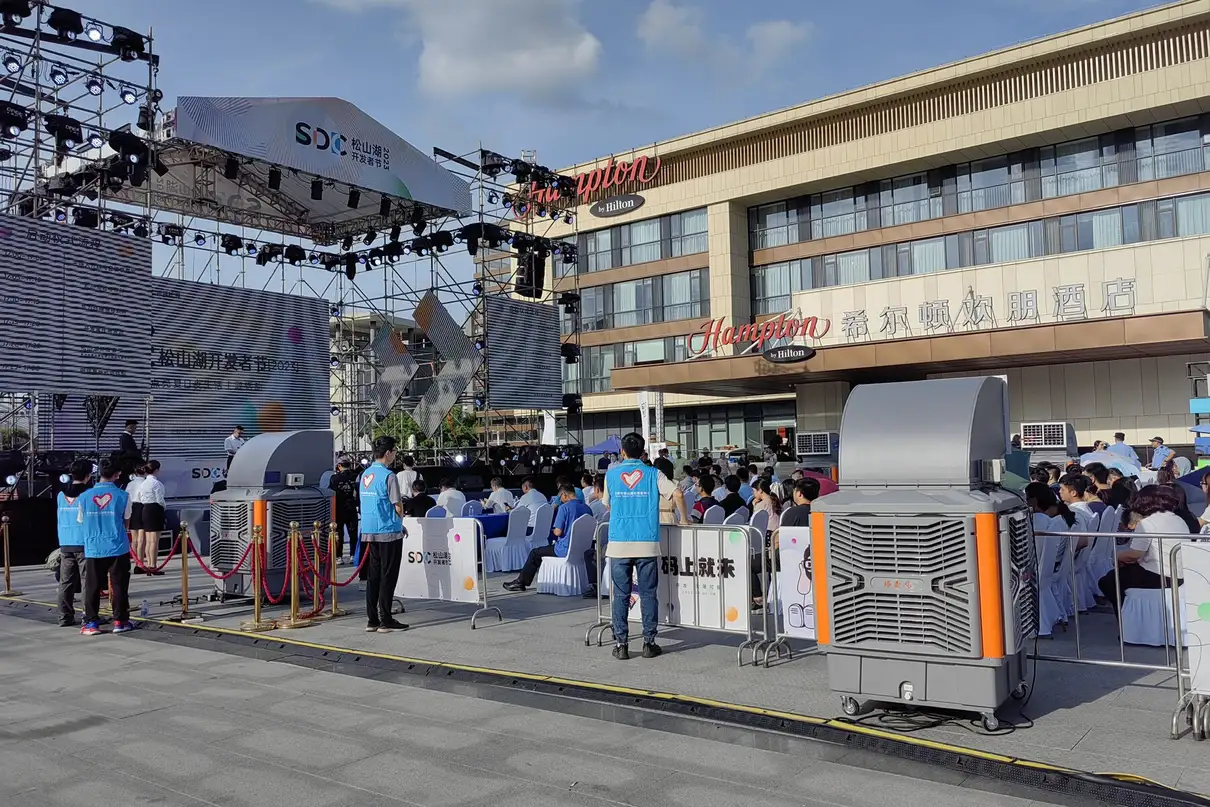 Portable evaporative cooling
Portable evaporative air coolers support temporary venues, work zones and open environments where fixed ducting is not the practical first choice.
Explore portable air coolersStart with the operating problem, then match airflow, cooling and controls to the way your space is actually used.
Combine high-volume air movement with fresh-air evaporative cooling when your facility needs both circulation and heat relief.
Ceiling height, roof structure, heat sources, occupancy and climate shape the recommendation—not a one-size-fits-all catalog.
Use established fan, motor and control families as the foundation for your own market, specification or channel requirements.
Airflow efficiency depends on layout, heat sources, roof structure and occupancy. Select an application to review recommended approaches.
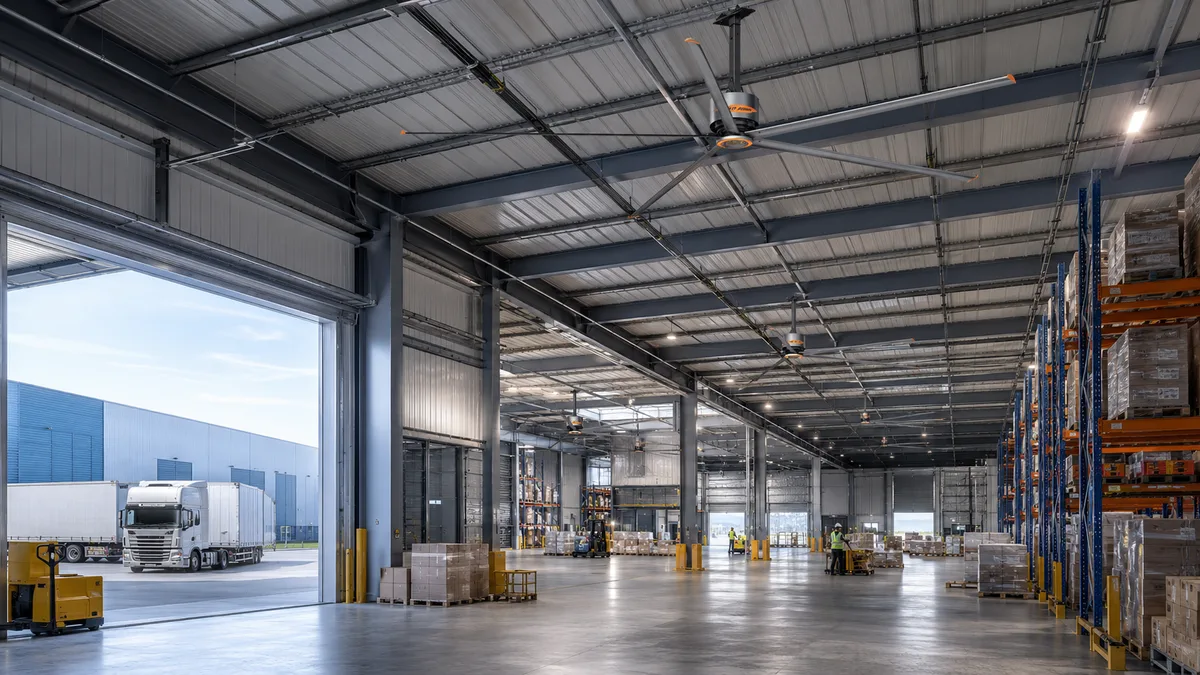
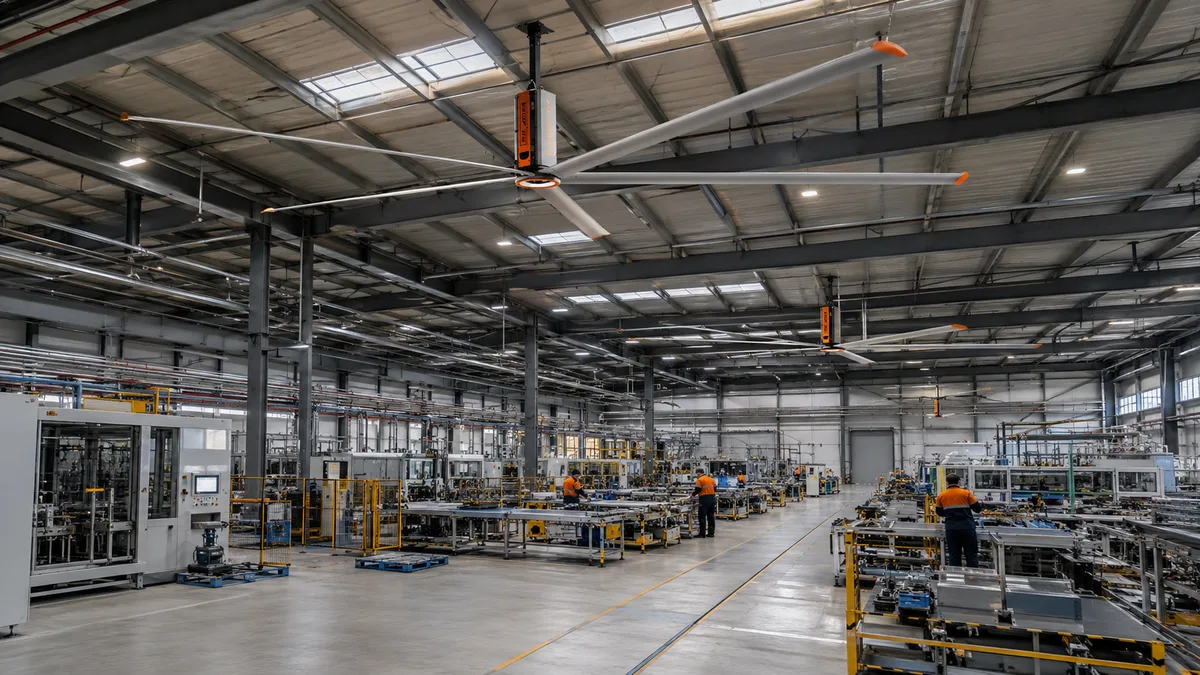
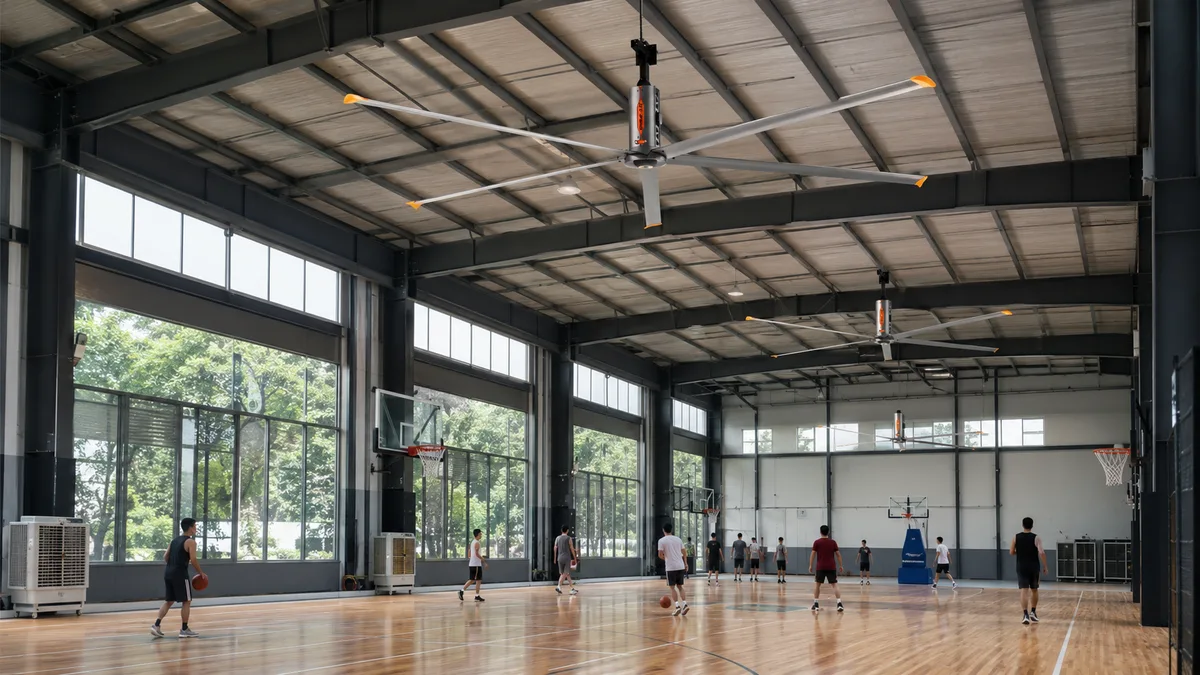
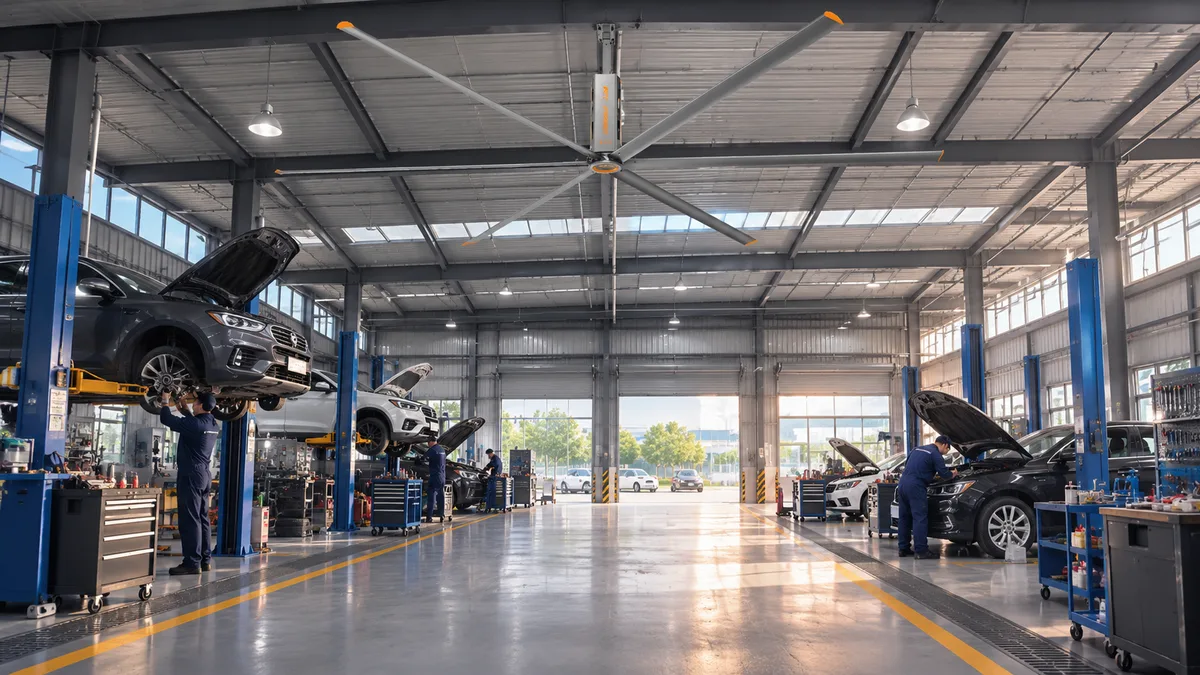
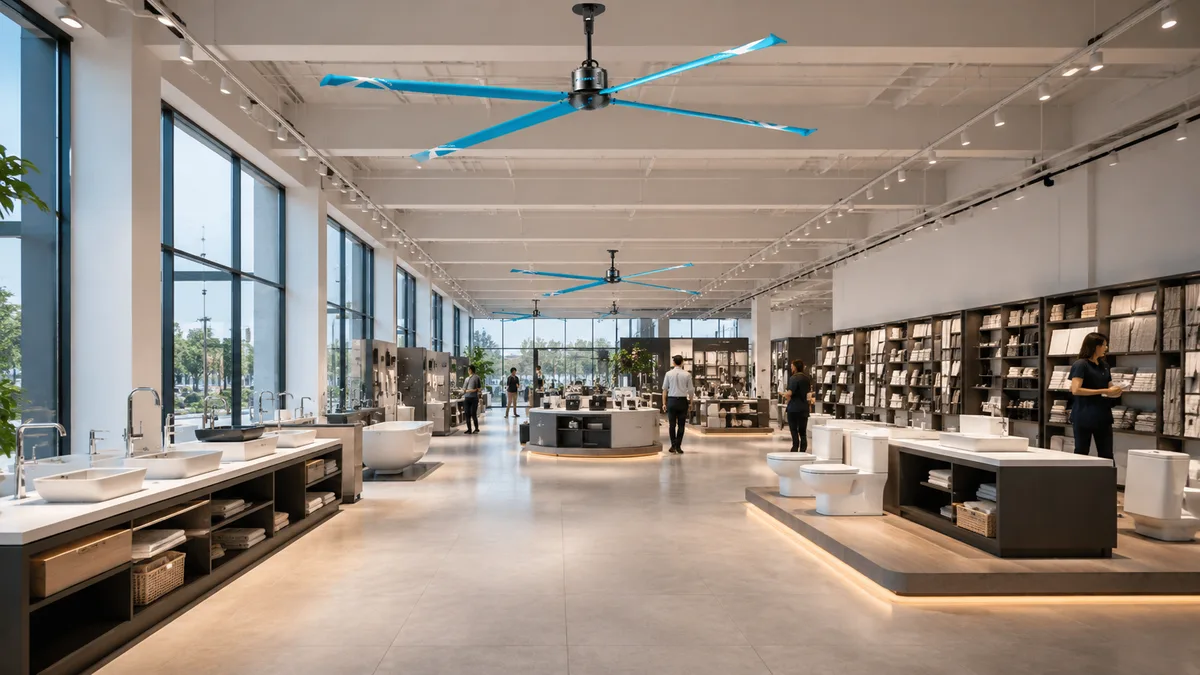

We keep product specifications, layout drawings, and safety factors clear before proposing a final bill of materials.
Length × width × ceiling height + location + heat sources.
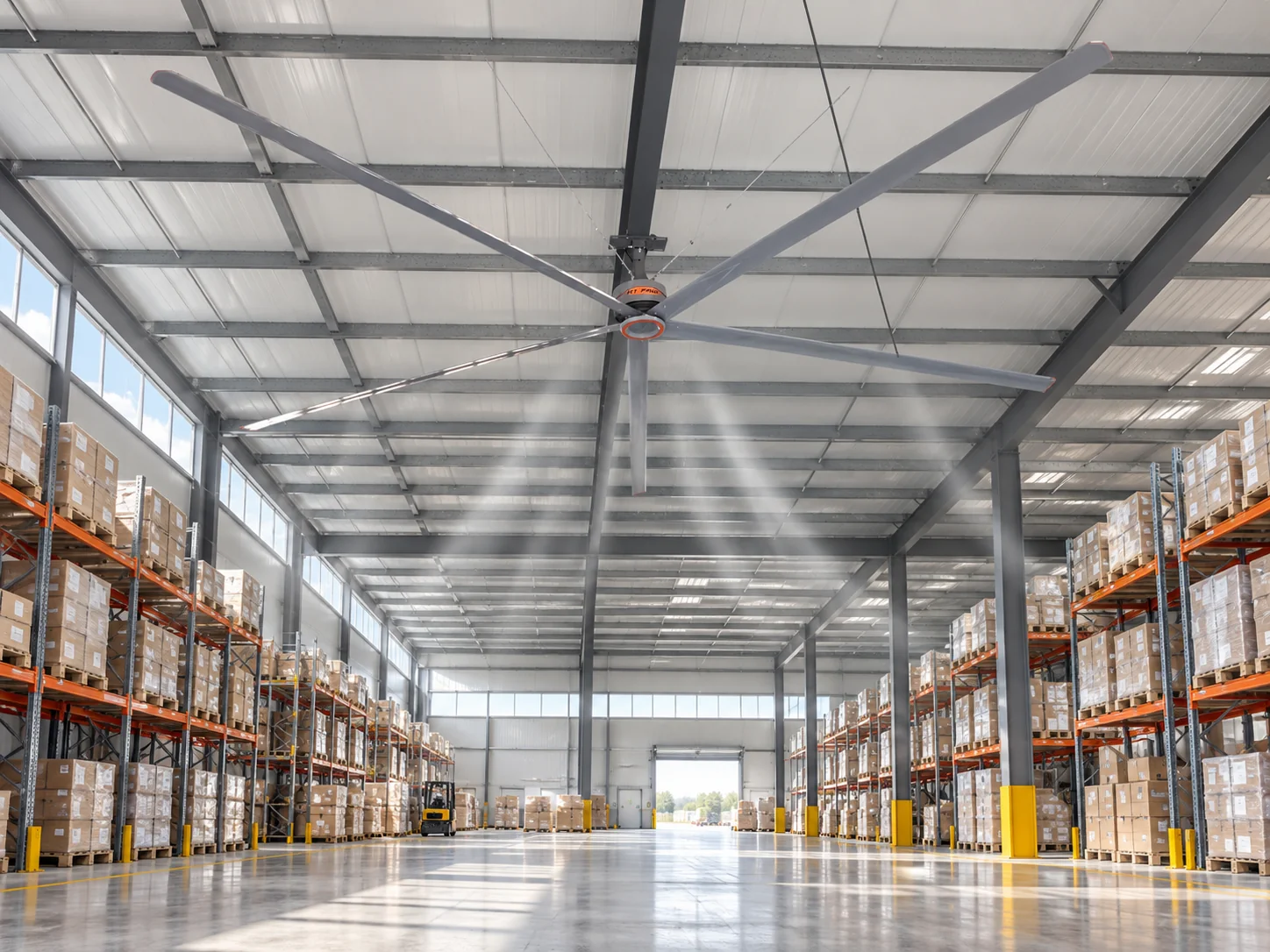 Warehouse
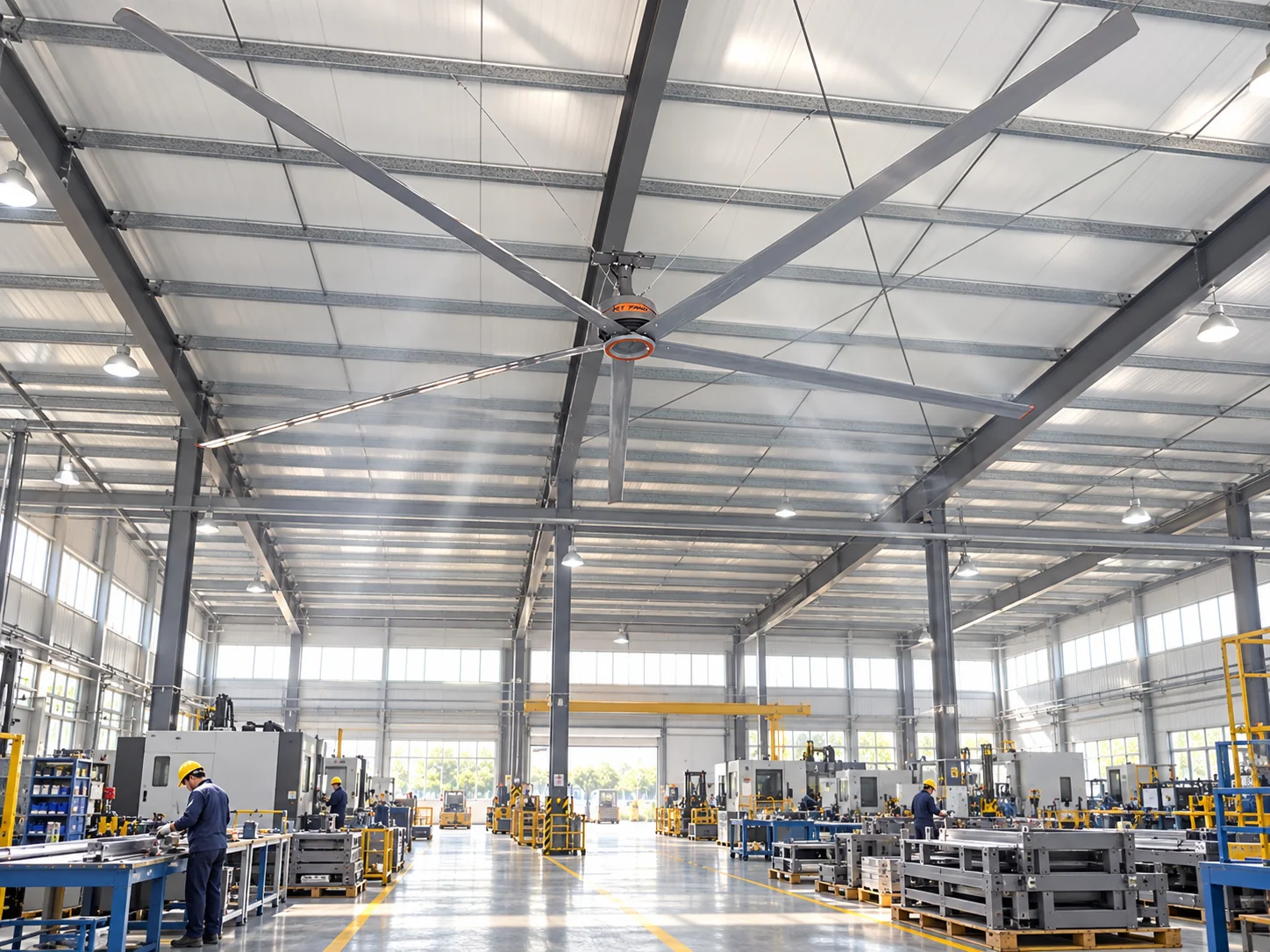 Manufacturing plant
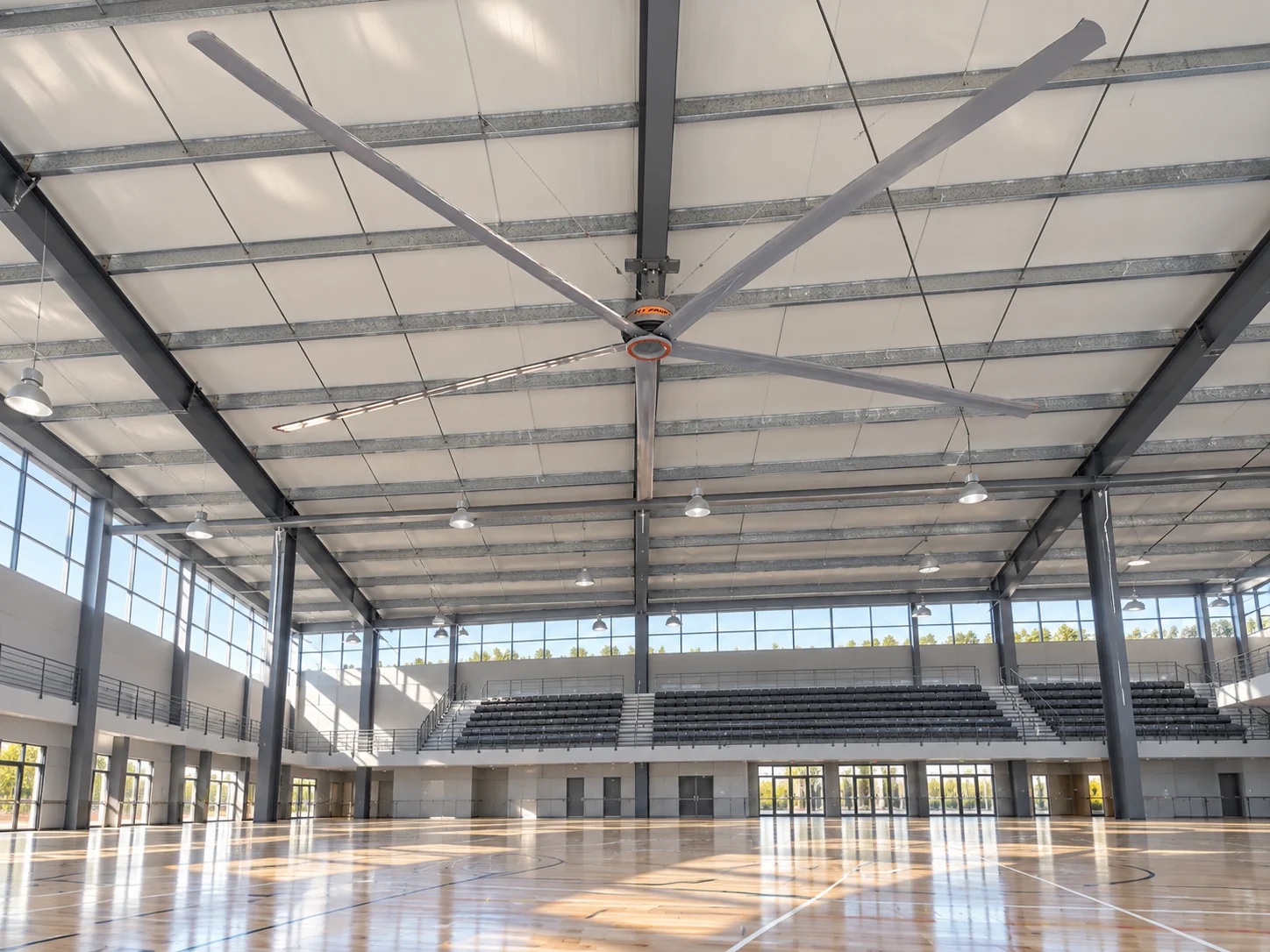 Sports / commercial facility
Build your market-specific fan platform with a manufacturer that can support product selection, engineering changes, production and export delivery.
Discuss Your OEM ProjectWe maintain rigorous production controls, balancing tests, and export compliance verification across all product lines.
Dedicated production lines for precision HVLS blade extrusion, PMSM motor assembly, and evaporative cooling units.
100% full-load motor testing, dynamic blade balancing, and safety cable tensile assessments before packing.
Compliance and certification records are published only after source and authorization review.
Space dimensions, ceiling height, location climate, heat sources, occupancy, target coverage area, installation conditions and quantity are the most useful starting points.
The combined approach is useful when a facility needs broad air movement plus fresh-air evaporative cooling. The final mix depends on layout and operating conditions.
Yes. Our OEM / ODM solution path is designed for projects that need a defined product family, control approach or market-specific configuration.
Our engineering team will review your project requirements and recommend a suitable equipment configuration.