
We design for temperature. We debate setpoints, upgrade HVAC units, and chase the perfect thermostat reading. But what if our first move is wrong?
Before we even think about temperature, we need to solve the air.
It’s a simple, often invisible truth: ventilation isn’t just part of the comfort equation, it’s the foundation. You can achieve the “perfect” 72°F (22°C), but if the air is stagnant—thick with CO₂, off-gassing VOCs, or yesterday’s lunch odors—the space will fail. It feels heavy, draining, and simply off.
Conversely, walk into a space with great air movement. It feels alert and fresh immediately, regardless of the temperature. That’s the power of getting the sequence right.
Our bodies are built to detect this. Poor ventilation isn’t just a comfort issue; it’s a performance and health issue. The data is clear: elevated CO₂ and pollutants directly impair cognitive function, focus, and well-being. Studies in controlled settings show better ventilation can sharpen decision-making and cut down on sick days.

So, what does “ventilation-first” design look like? It rests on three pillars:
- Health as a Non-Negotiable: This is the baseline. Fresh air dilutes the built-up bioeffluents and contaminants we all emit. It controls humidity, staving off mold. This isn’t a luxury; it’s the prerequisite for a healthy, productive environment.
- Thermal Balance as a Partner: Great ventilation doesn’t fight your HVAC; it enables it. By strategically managing heat loads from people and equipment and ensuring even air distribution, it eliminates hot/cold spots. Your HVAC system suddenly works less to feel better.
- The Sensory Reset: Comfort is sensory. Good ventilation quietly removes odors and introduces a subtle, perceptible sense of air movement. It creates a neutral, clean sensory palette that makes everything else work.

The implications are practical:
For Architects and Developers: Prioritize ventilation strategies from the first day of design, not as a mechanical issue to be considered afterward. Consider cross-ventilation, the chimney effect, and integrated, intelligent, on-demand control systems that respond to actual usage and air quality.
For Facilities and Sustainability Managers: Review your airflow. Your ESG (Environmental, Social, and Governance) and health goals (such as WELL or Fitwel certification) depend on this. Often, the most effective “comfort upgrade” isn’t replacing the chiller unit but rather rebalancing the ventilation system or upgrading the filtration system.
For all of us: Listen to your space. Is the midday air stifling and making you drowsy? That’s a ventilation signal. Open the windows as much as possible. Advocate for systems that “breathe.”

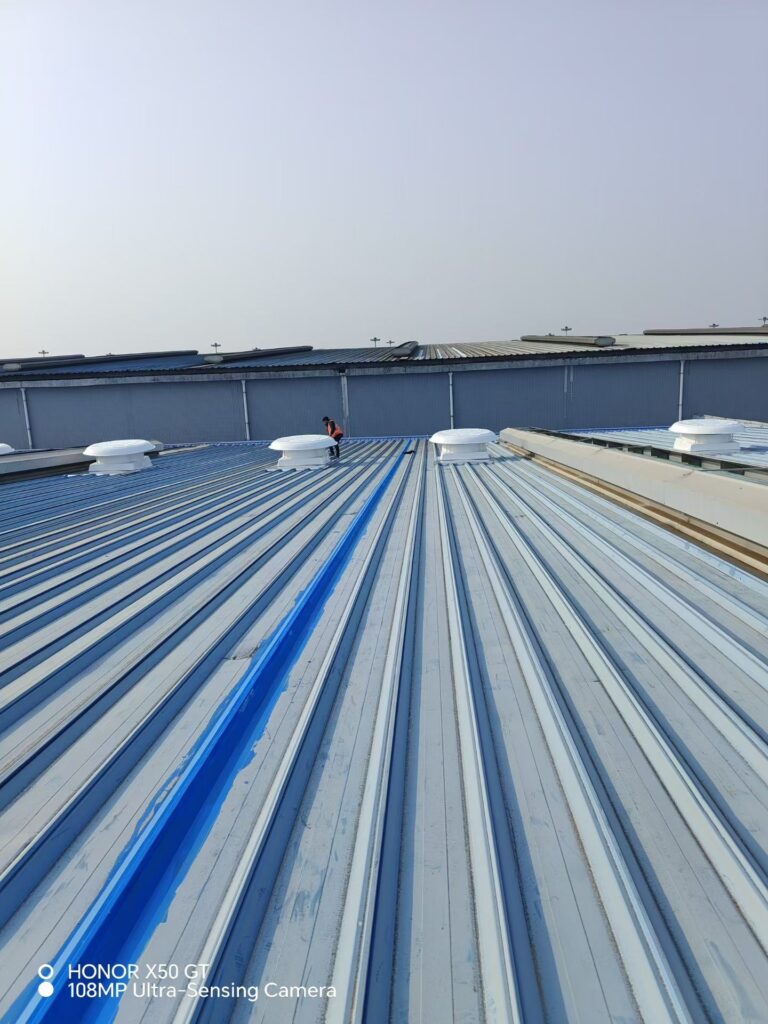
True comfort is more than just the absence of discomfort. It’s an environment that actively supports us. It all starts with a breath of fresh air. That’s why we often incorporate exhaust fans (wall-mounted or rooftop fans) into our energy-efficient cooling systems. They help the entire system expel stale indoor air and bring in fresh outdoor air and a constant supply of oxygen, creating circulation and providing a fresh and comfortable experience for everyone in space.
To learn more, please contact us: info@koolairint.com