
There is intense pressure on restaurants to operate at low costs while providing a comfortable dining experience. Cooling costs can be a huge influence on profitability, with HVAC systems consuming 25-40% of the energy budgets. HVAC Ceiling fans, especially the High-Volume Low-Speed (HVLS) types, can save on HVAC load and energy expenditure by enhancing air movement and permitting greater thermostat control. These HVAC ceiling fan restaurant solutions can reduce HVAC consumption by 20-30 percent annually, saving thousands of dollars and paying ROI within 18-24 months. As a restaurant owner, it translates to decreased utility bills and a move towards sustainability, such as ENERGY STAR compliance.
RTFANS has more than 20 years of experience in ventilation solutions and has assisted many restaurants in maximizing their energy consumption. We shall discuss why such high energy needs render these fans a necessity, how they realize savings, and how they are actually applied.
High Energy Demands in Restaurants
The restaurants are also one of the most energy-consuming commercial spaces, and as the kitchen areas, the dining rooms, and the peak-hour crowds increase, so do the cooling requirements. According to industry statistics, the average U.S. restaurant is estimated to spend an estimated total of about 2.90/ sq/ft/ year on electricity and 0.85/ sq/ft/ year on natural gas. This corresponds to 43.9 kilowatt-hours (kWh) of electricity and 147.6 cubic feet of natural gas per square foot annually, and with HVAC systems contributing a considerable chunk of that.
This demand is due to various factors. Ovens, grills, and fryers produce a lot of heat, which spills over to dining rooms. Tall ceilings (10-20 feet) trap warm air, which causes the air conditioners to exert more effort. Peak times of eating contribute to body heat and humidity, which increases cooling needs. These factors drive utility bills to higher levels in warm climates or during summer months, and tight budgets are pushed. Also, increased customer pressure on environmentally friendly companies and initiatives such as ENERGY STAR forced restaurants to minimize their carbon footprint without sacrificing comfort.
How HVLS Ceiling Fans Reduce HVAC Usage by 20–30%
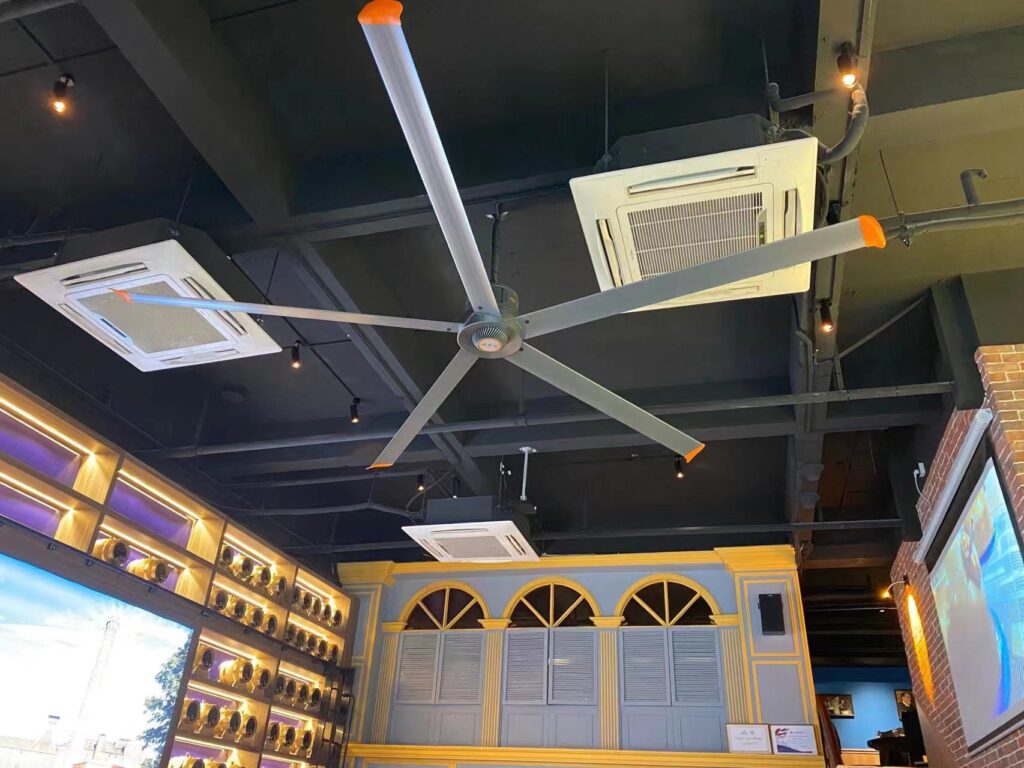
HVLS ceiling fans can be configured to serve large areas with a range of 8-24 feet in diameter and high capabilities of up to 400,000 cubic feet per minute at low velocities (50-100 RPM). This produces a light breeze that can cool as much as 22,000 square feet per fan and is good as a restaurant cooling solution. Their major action is destratification, which consists of warmer air mixed in the areas close to ceilings with cold air in the areas below, so that the temperatures are even all over in the dining places.
During summer, HVLS fans cool the spaces based on the wind-chill effect by 5-7 degrees Fahrenheit, which allows the thermostat to be set at 3-5 degrees higher without compromising comfort. With every degree of increase, you save about 4 percent on cooling energy. During winter, the trapped warm air is recycled, which saves the heating bill by 20-30 percent. The total energy savings that HVLS fans can achieve in commercial environments, such as restaurants, is 30 percent, which meets industry standards of energy efficiency.
These fans use less than 1.5 kW, which is much less than HVAC units or a combination of smaller fans. Variable speed controls improve their efficiency; airflow varies according to occupancy or weather. As an example, a restaurant can decrease the fan speed when there are very few people, which will additionally lower the energy consumption. By selecting AMCA-certified fans, performance is guaranteed, and features such as ISO 50001 energy management can be adhered to.
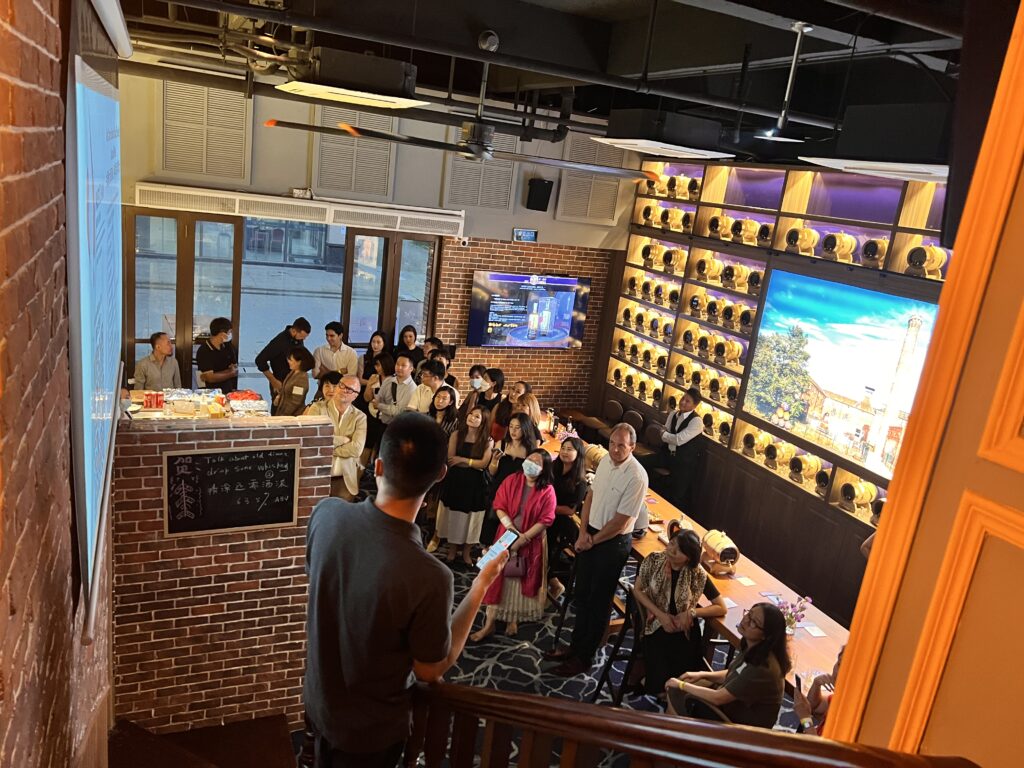
ROI and Payback Periods for HVLS Fans
The economic returns of investing in HVLS fans are quite lucrative, and the payback period of investing in them lies between 6 months and 2 years. One 12-20 foot HVLS costs between 5,000 and 10,000, including installation; however, the energy savings of this cost are immediate.
In a 5,000-square-foot restaurant with a yearly electricity bill per 1,000 square feet of 2,900, HVLS fans can be used to save 20-30 years, or 580-870 per 1,000 square feet. This translates to a minimum of $2,900-4,350 savings each year in the total space or 242-362 per month. Two fans cost only $15,000 and can pay back in 3-5 years, though in high-energy-consuming areas, this can happen much sooner. Savings of up to 35% have been reported in some restaurants, resulting in payback in less than two years.
The value of HVLS fans extends to their durability, which is between 15-20 years with minimum maintenance, such as annual blade cleanings. Their low operating costs (less than $50/month per fan) and compatibility with ENERGY STAR criteria on efficient ventilating fans increase their cost-effectiveness further and enable restaurants to devote the savings to menu improvements or personnel.
Example of Monthly Cost Savings
Consider a situation of a 4000 ft casual dining establishment whose electricity bill is 11600 dollars annually (2.90 /Sq ft). The capability to install two 16-foot HVLS fans is worth $12000 to save 25 percent of the power usage in HVAC and would save 2900 annually or 242 per month. The savings can be in the range of up to 300-400 in summer at the peak of the summer season, when the number of cooling requests should be met by fans. The net savings exceeding ROI are more than 14500 in five years, with low operating expenses that the fans consume. The real-life case below, based on industry averages, illustrates how the cost savings in the HVAC in restaurants can be translated into cost savings to the K-12 restaurant owners.
Elsewhere, a fine-dining location that installed three HVLS fans in a 6,000-square-foot dining space reduced its energy use by 28 percent (4,000/year). The savings of 333 a month enabled the restaurant to invest in green upgrades and enhance its image as a sustainable company.
FAQ: Common Questions About Ceiling Fans in Restaurants
- How do ceiling fans reduce HVAC costs in dining areas?
The HVLS fans can cause a cooling breeze, allowing thermostats to be programmed 3-5°F higher, which would save 4 percent of energy per degree and could cut HVAC load by 20-30 percent. - What is the ROI for energy-efficient ceiling fans in restaurants?
Payback periods take between 6 months and 2 years, and energy savings of 20-30 percent result in rapid recovery of cost. - Are HVLS fans suitable for restaurant cooling solutions?
Yes, the HVLS fans, which are energy-efficient ceiling fans for restaurant solutions, have a wide coverage, it is silent to operate, and save energy, which is perfect in restaurants and especially in the dining areas. - How much can restaurants save monthly with ceiling fans?
Depending on climate conditions and use, a 4,000-square-foot restaurant can save anywhere between $200 $400 each month.
Conclusion
Restaurants need an efficient cooling system because of the high amount of energy consumed by the kitchen and the full dining rooms. The restaurant solutions that comprise energy-efficient ceiling fans, particularly HVLS, will save HVAC by 20-30 per cent and monthly savings of 200-400, and a payback period of 18-24 months. They can be integrated with the HVAC in order to reach the sustainability goals, which include meeting the requirements of ENERGY STAR and helping the restaurants minimise their carbon footprint and maximise customer comfort.
Restaurant owners who wish to save some money and go green should also be able to use HVLS fans. RTFANS, the 20+ year-old company, offers a special restaurant cooling system, which will allow saving energy. Call now and see how our ceiling fans will contribute towards more profits and sustainability- your business and your customers will love it.
SEO Title: Energy Efficient Ceiling Fans Restaurant: Lower HVAC Costs
Meta Description: Learn how energy-efficient ceiling fans and restaurant solutions reduce HVAC costs in dining areas by 20-30%. Discover restaurant cooling solutions with RTFANS for savings and sustainability.
Excerpt: Energy-efficient ceiling fans and restaurant solutions cut HVAC costs by 20-30%, offering monthly savings and quick ROI for sustainable dining with RTFANS.