
Gyms & Sports Facilities
Gyms and sports halls need steady air movement that supports comfort without interfering with coaching, play, or equipment clearances.
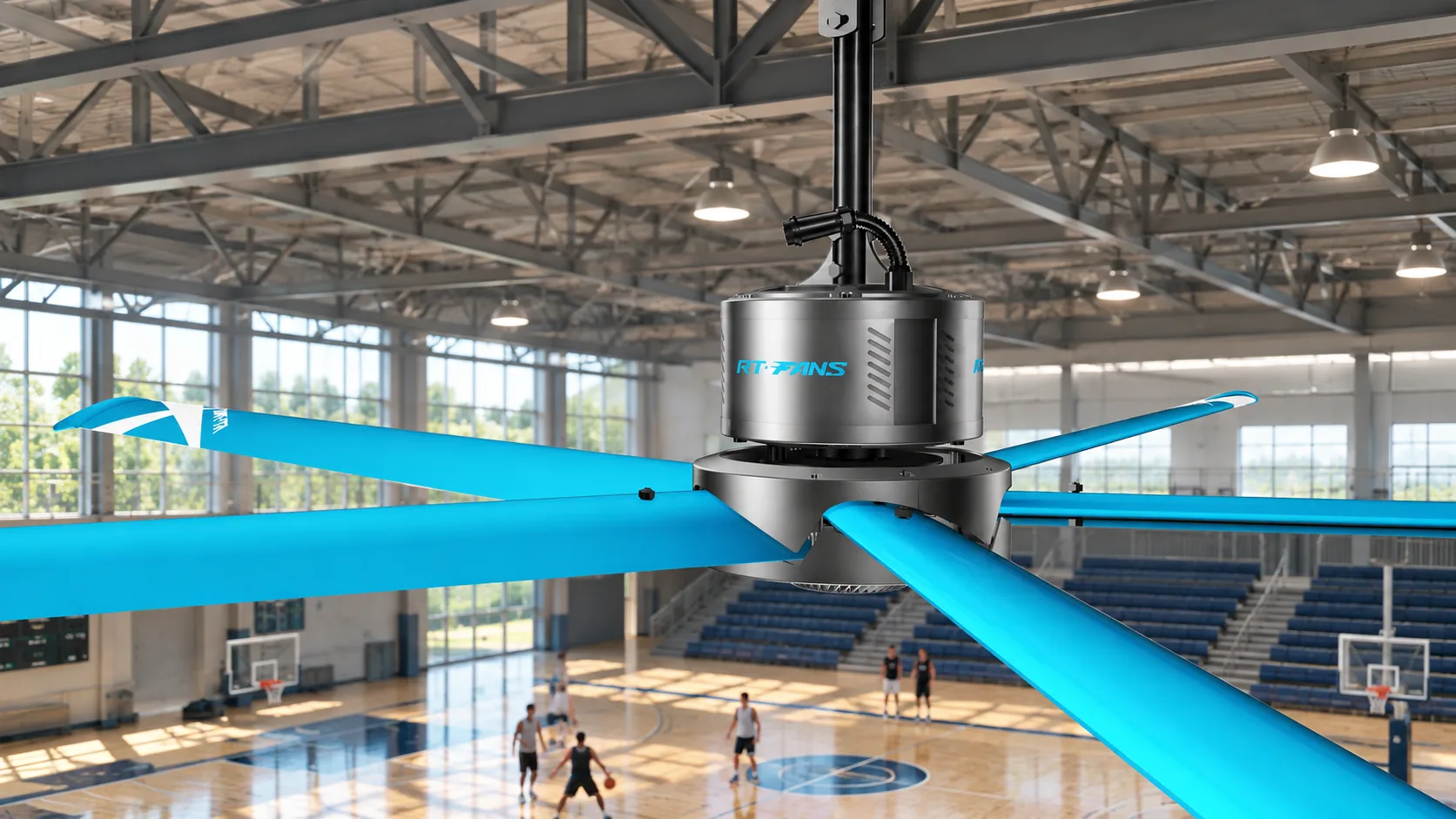
What airflow approach fits this facility?
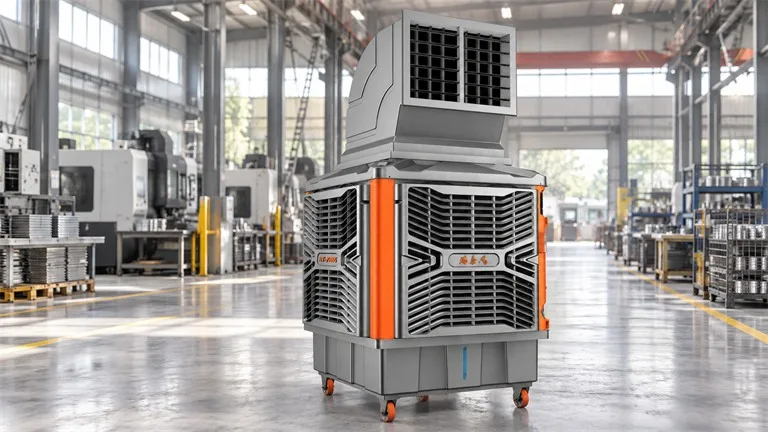
For large athletic spaces, use a quiet, controllable circulation strategy coordinated with the building HVAC system. Installing energy-efficient HVLS fans helps distribute airflow across occupied courts and workout areas, while smaller commercial ceiling fans offer quiet cooling for lower training bays. For targeted spot cooling in high-exertion zones, facilities often incorporate portable spot air coolers.
Primary Facility Airflow Challenges
RTFANS Engineering Approach
We review activity zones, occupied heights, acoustic standards, and overhead constraints, drawing on proven configurations documented in our gymnasium ventilation case study. The selected fan layout delivers gentle, adjustable air circulation tailored to sports schedules. For integrated large-space layouts, consult our fan and cooler combination solutions or request an athletic facility airflow design.
Design Inputs to Confirm
- Court or training layout, occupied height, ceiling structure, lighting, nets, rigging, and sprinkler clearances
- Peak occupancy, activity schedule, humidity targets, and the locations of high-intensity training zones
- Existing HVAC diffuser and return locations, controls, acoustic requirements, and cleaning access
Recommended Equipment Configurations
- Quiet direct-drive HVLS fans for large, unobstructed sports spaces
- Compact commercial fans for lower ceilings or localized training zones
- Fan controls coordinated with operating schedules and the existing HVAC system
Frequently Asked Questions
Will gym fans replace the facility's ventilation system?
No. Fans circulate air; they do not by themselves provide the outdoor-air, filtration, or humidity-control functions required by the mechanical design.
How do we avoid drafts over courts or exercise areas?
Use the activity layout, mounting height, fan speed, and airflow direction to tune circulation. The final arrangement should be checked against sport, lighting, and member-comfort requirements.