Industrial Ceiling Fan Buying Guide: Ceiling Fan Buying Guide for Fans

Table of Contents

Industrial Ceiling Fan Buying Guide: Ceiling Fan Buying Guide for Fans

Welcome to our comprehensive industrial ceiling fan buying guide, designed to help you navigate the myriad options and choose the right fan for your specific needs. Understanding the unique requirements of industrial spaces is crucial when selecting a ceiling fan that can deliver optimal performance and efficiency.

Understanding Industrial Ceiling Fans

What is an Industrial Ceiling Fan?


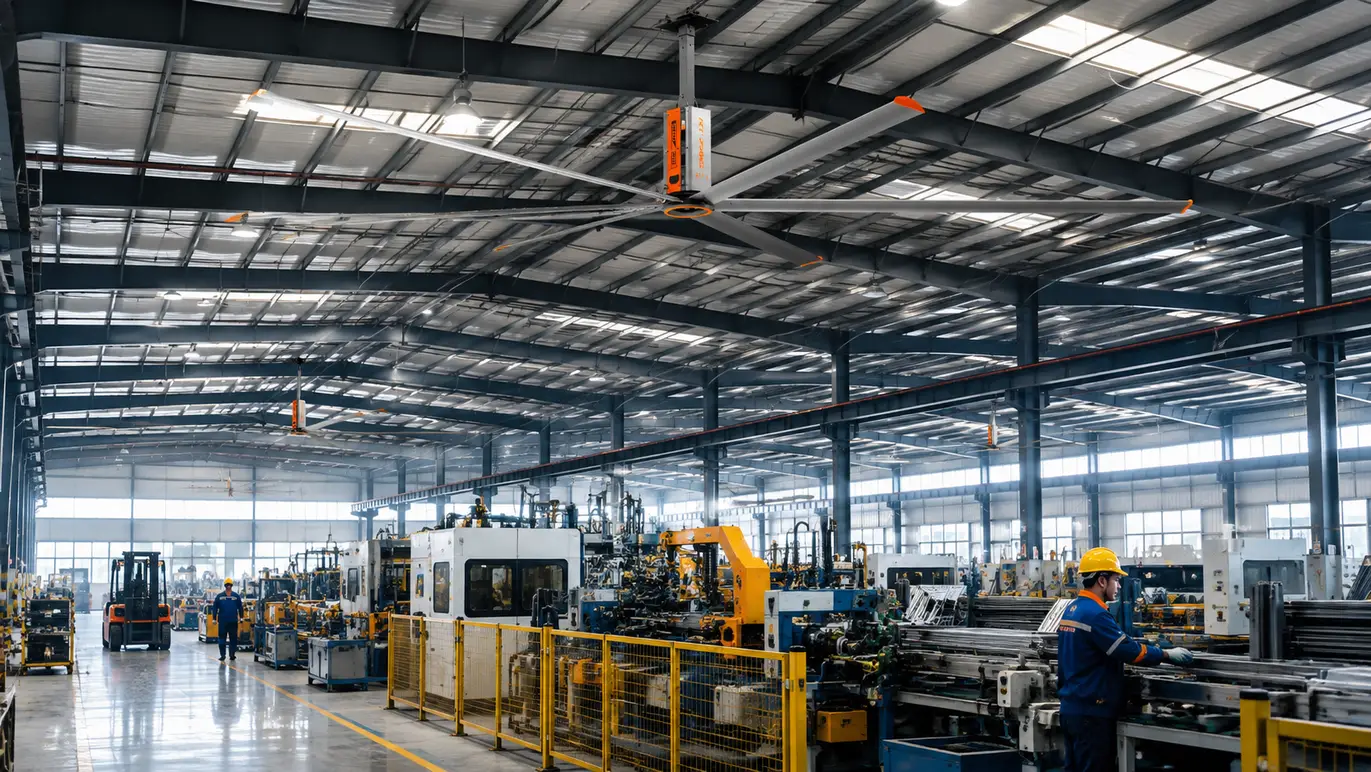
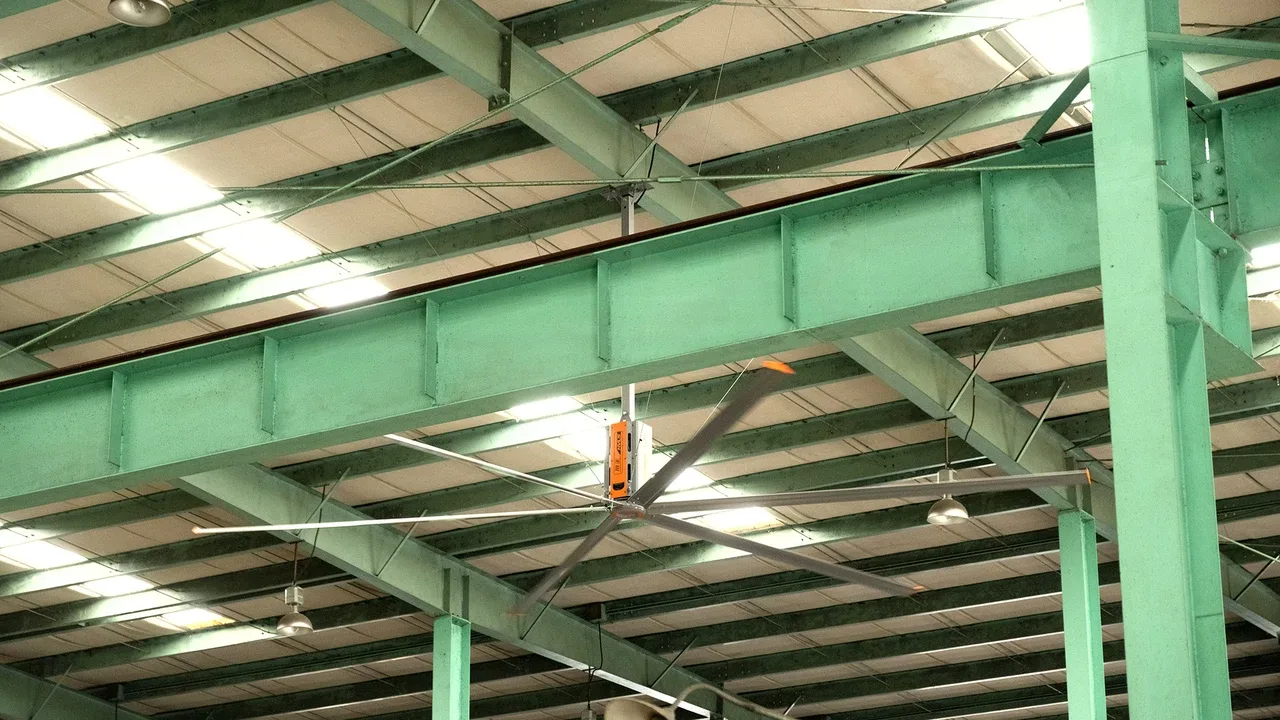
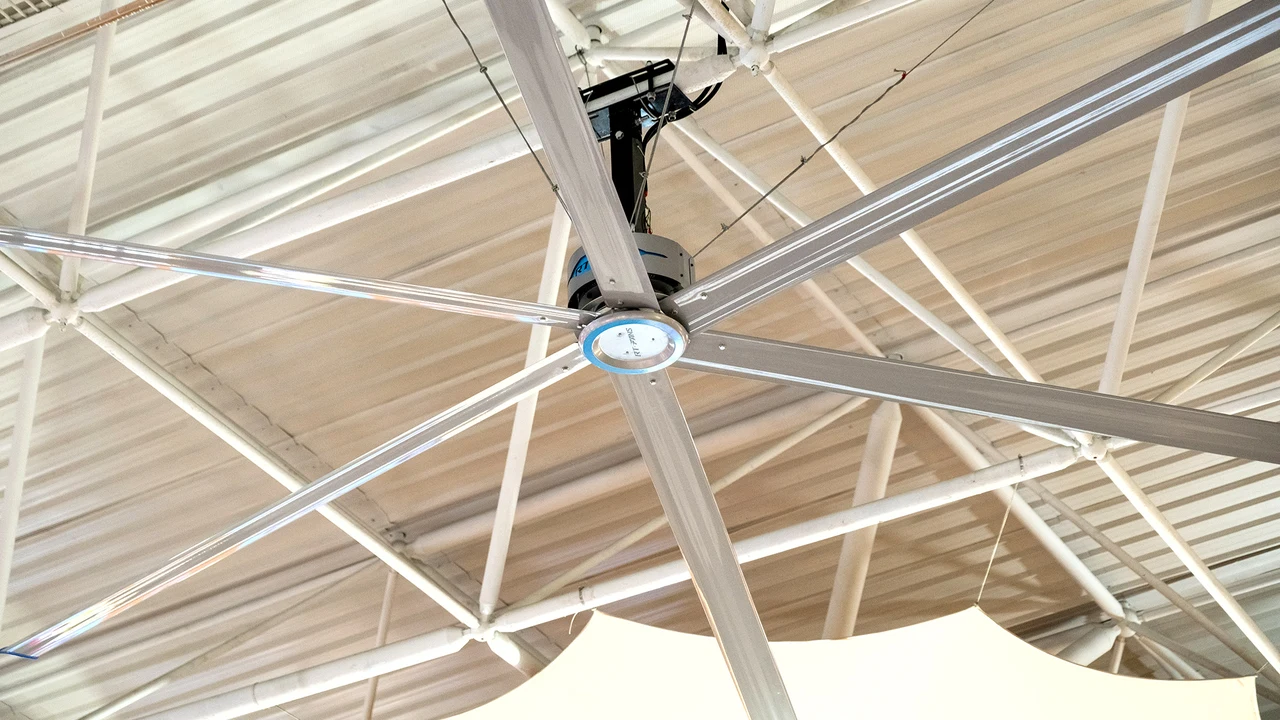
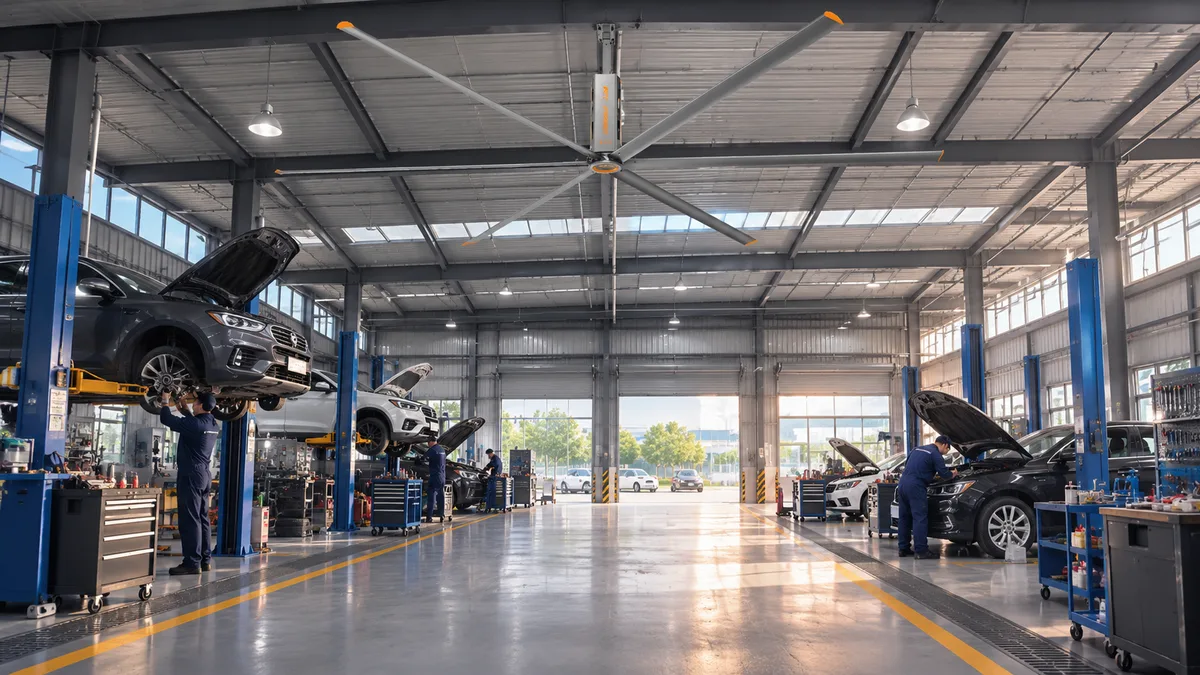
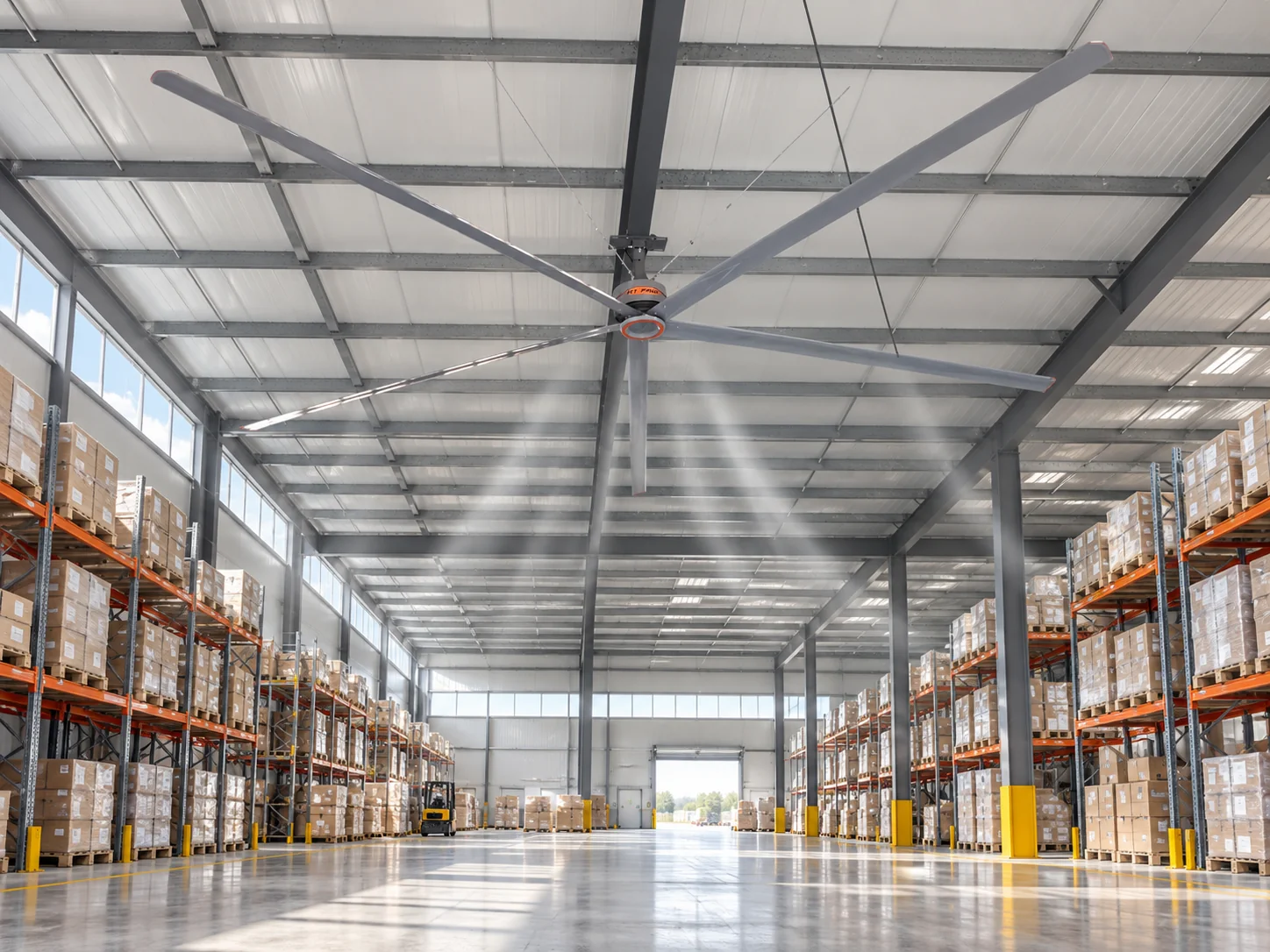
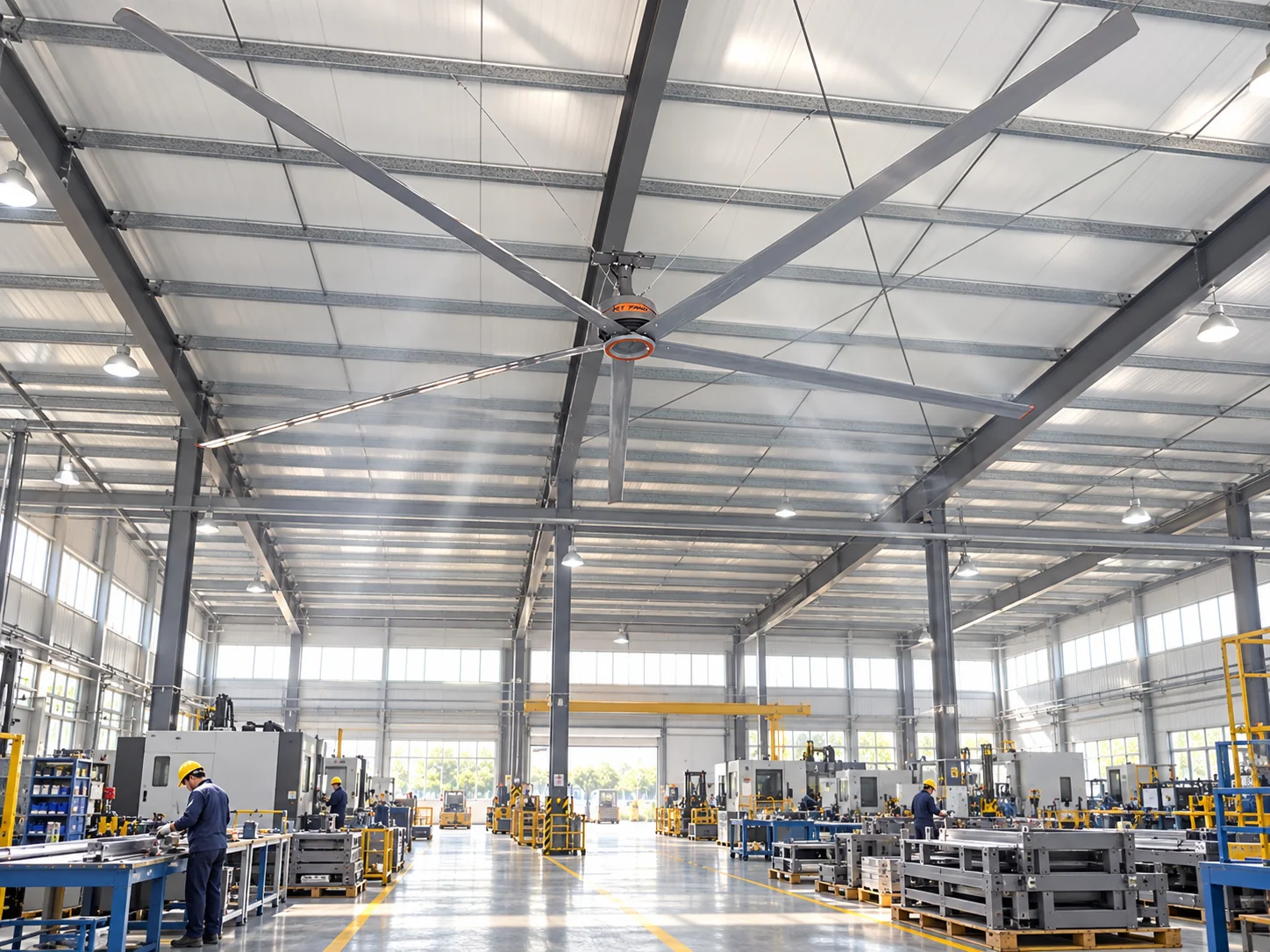
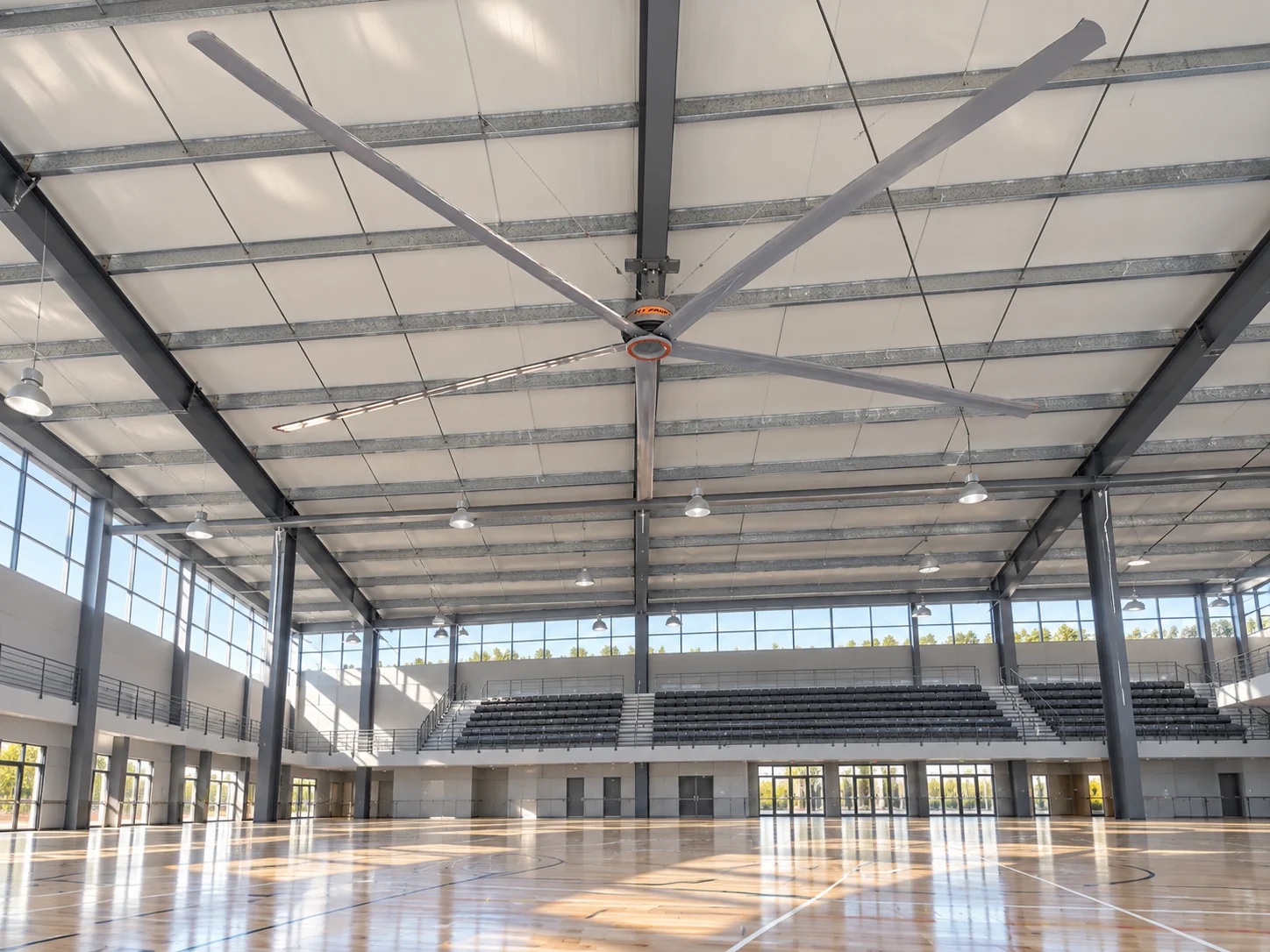
An industrial ceiling fan, particularly an HVLS (High Volume Low Speed) fan, is an advanced ventilation solution engineered to circulate vast volumes of air across expansive areas. RTFANS specializes in these energy-efficient HVLS fans, providing comprehensive ventilation and cooling solutions.

Here are some key characteristics of these fans:

Operating SpeedRemarkably low speeds
Energy ConsumptionMinimal
Ideal forLarge spaces like warehouses and manufacturing plants


Benefits of Using Industrial Ceiling Fans


Utilizing industrial ceiling fans from RTFANS offers a multitude of benefits, delivering cost-effective and sustainable solutions for various environments. Our HVLS fans emphasize energy efficiency and cost savings, substantially reducing cooling and heating bills, creating a gentle airflow that provides a cooler feel and boosts overall employee well-being and efficiency.

Benefit CategorySpecific Advantage
Comfort & ProductivitySignificantly enhanced
Operational CostsReduced by improving air quality and mitigating humidity, dust, and pollutants


Differences Between Industrial and Commercial Ceiling Fans


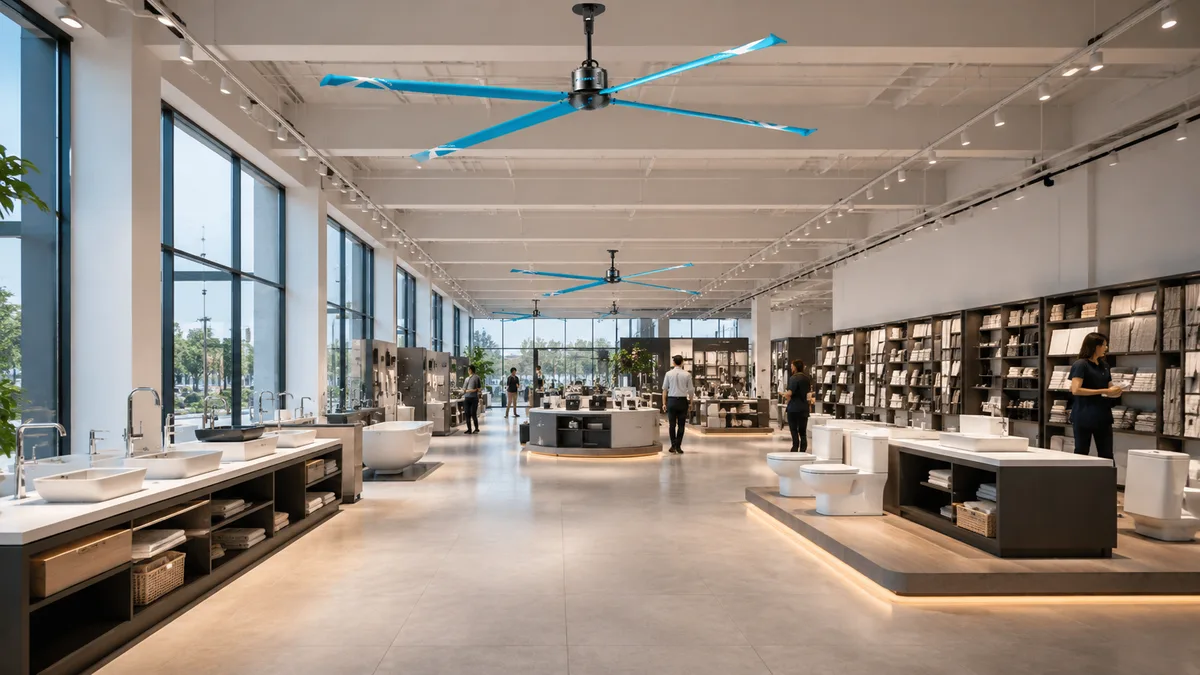
While both industrial and commercial ceiling fans are designed to move air efficiently, the primary distinctions lie in their scale, power, and application. RTFANS provides robust ventilation and cooling solutions tailored for industrial, commercial, and agricultural sectors worldwide.

Fan TypeCharacteristicsTypical Application
Industrial Ceiling FansLarger and more powerfulExtensive industrial spaces and warehouses
Commercial Ceiling Fans Smaller commercial buildings


Factors to Consider When Choosing an Industrial Ceiling Fan

Fan Size and Ceiling Height

When selecting the best industrial ceiling fan, the fan size and ceiling height are paramount factors to consider to ensure optimal air movement. Choosing the right size fan for your specific space is essential, as the fan diameter directly impacts its ability to circulate air effectively. Proper assessment of your ceiling height will guide you in selecting a fan that can efficiently distribute air across the entire area, preventing dead zones and maximizing air circulation.

Airflow and Air Circulation Needs

Addressing your airflow and air circulation needs is critical for creating a comfortable and productive environment within industrial spaces. HVLS fans are specifically engineered to create a gentle, consistent airflow for a cooler feel, promoting circulation that effectively reduces humidity, dust, and pollutants. RTFANS offers solutions that dramatically improve air circulation and overall air quality, ensuring efficient air movement throughout your facility.

Energy Efficiency and Operational Costs

Energy efficiency and operational costs are crucial factors when choosing an industrial fan, especially with rising utility expenses. RTFANS specializes in energy-efficient HVLS fans, aiming to deliver cost-effective solutions that significantly reduce operational costs and substantially lower cooling and heating bills. Our HVLS fans operate at low speeds, consuming minimal energy while providing a high volume of air movement, making them an excellent investment for sustainable long-term savings.

Types of Ceiling Fans for Warehouses and Industrial Spaces

High-Volume Low-Speed (HVLS) Fans

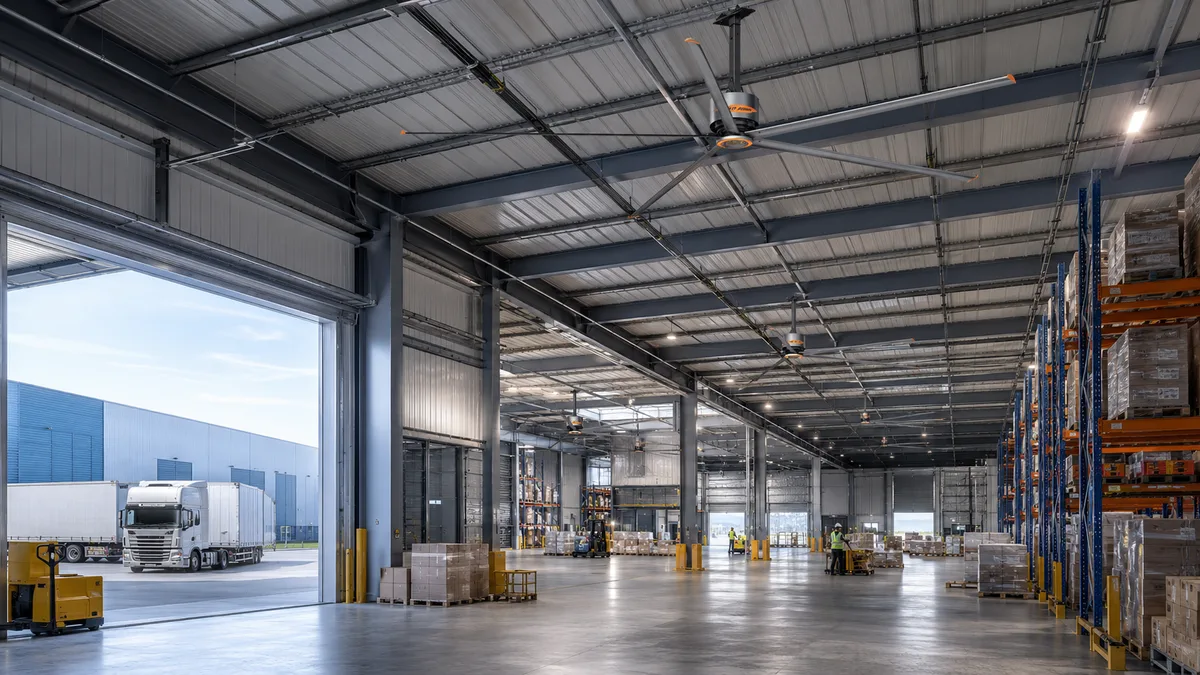
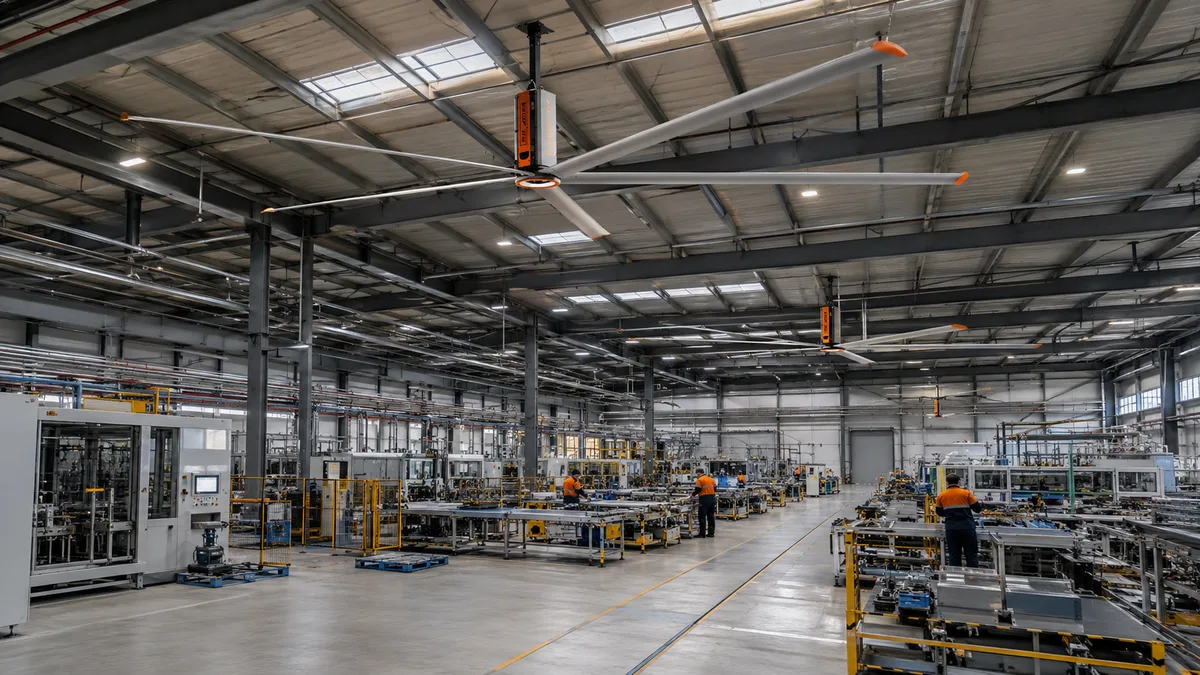
High-Volume Low-Speed (HVLS) fans are a cornerstone of modern industrial ventilation, offering a comprehensive and energy-efficient solution for large industrial spaces. RTFANS, a global company, specializes in these HVLS fans, providing a diverse range including the King Series, Paragon Series, Charm Series, Charm II Series, Virtue Series, and Grace Series. These HVLS fans are specifically designed to move air at low speeds, circulating massive volumes of air across expansive areas like warehouses, thereby creating a gentle airflow for a cooler feel without the high energy consumption typically associated with traditional HVAC systems. This innovative approach to air movement significantly reduces cooling and heating bills, addressing key concerns for operational costs and energy efficiency.

The benefits of choosing an HVLS fan from RTFANS extend beyond just cost savings. These HVLS ceiling fans boost employee comfort and efficiency by promoting continuous air circulation, which also helps in reducing humidity, dust, and other pollutants present in industrial environments. This improved air quality and consistent air movement ensure a more comfortable and productive working atmosphere, making HVLS fans an ideal choice for any facility looking to enhance its ventilation and cooling capabilities while minimizing its environmental footprint. Our HVLS fan solutions provide the right fan for any large space.

Standard Industrial Fans

While HVLS fans excel in large, open spaces, standard industrial fans also play a vital role in specific industrial applications, particularly where targeted airflow or localized cooling is required. These fans are typically smaller in fan size and are designed to move air with greater velocity over shorter distances, making them suitable for areas that might not benefit as much from the expansive air circulation of an HVLS fan. When choosing a fan, it is important to consider the fan diameter and the specific air circulation needs of the area. While they might not offer the same high volume of air or energy efficiency as HVLS fans across an entire warehouse, they can be highly effective in specific zones or for particular processes.

When considering standard industrial fans, factors such as fan size, airflow capacity, and the specific application become crucial. These fans are generally more focused on direct air movement rather than broad air circulation, which can be advantageous in production lines or machinery cooling. Although they may consume more energy relative to the volume of air moved compared to HVLS fans, their specific utility in certain industrial spaces makes them a viable option. It’s important to assess whether a standard industrial fan can effectively address the air circulation needs and improve air quality in the designated area, ensuring it contributes positively to the overall environment and operational efficiency without excessive operational costs.

Small Fans for Specific Applications

Beyond large-scale HVLS fans and standard industrial fans, there is a distinct category of small fans designed for highly specific applications within industrial and commercial buildings. These small fans are not intended to circulate vast volumes of air across an entire warehouse or large space but rather to address localized needs, such as spot cooling for individual workstations, ventilation for confined areas, or targeted air movement for sensitive equipment. The selection of these fans requires a detailed understanding of the immediate environment and the specific challenges that need to be addressed, ensuring the right fan is chosen for optimal performance.

When considering small fans, factors to consider include their compact fan size, precise airflow capabilities, and energy efficiency for the specific task at hand. While they may not dramatically reduce the overall temperature of a large area, they are indispensable for creating comfortable microclimates or ensuring proper air movement in critical zones. These fans can complement an existing HVAC system by providing supplementary air circulation where the larger industrial ceiling fans might not reach effectively, ultimately enhancing employee comfort and potentially reducing the load on the main cooling infrastructure in commercial buildings. Choosing a fan from this category is about precision and targeted effectiveness.

How to Choose the Right Industrial Ceiling Fan

Assessing Your Space Requirements

When seeking to choose the right industrial ceiling fan, the first critical step is thoroughly assessing your space requirements. RTFANS specializes in providing comprehensive ventilation and cooling solutions for industrial, commercial, and agricultural sectors worldwide, offering a diverse range of HVLS fans designed to move vast volumes of air efficiently. Understanding the unique dimensions and operational needs of your warehouse or industrial space is paramount to ensure the chosen fan can deliver optimal airflow and air circulation, creating a comfortable and productive environment.

For expansive areas, HVLS fans provide the best industrial ceiling fan solution due to their ability to circulate a high volume of air at low speeds, ensuring consistent air movement across the entire space. Factors to consider include the ceiling height, the overall square footage, and any obstacles that might impede airflow. RTFANS’s expertise helps in selecting the appropriate fan size and fan diameter to effectively improve air circulation, making sure that every part of your large space benefits from enhanced comfort and reduced operational costs.

Evaluating Fan Company Reputation

Evaluating the fan company’s reputation is a crucial step in your industrial ceiling fan buying guide, as it directly impacts the reliability and longevity of your investment. RTFANS, with over 22 years of experience in the industry, has a proven track record of delivering high-quality HVLS fan solutions. We have successfully completed projects in a wide variety of settings, including airports, churches, warehouses, and gyms, earning positive testimonials that speak to our commitment to excellence and customer satisfaction.

Our dedication to quality and expertise is further demonstrated by the numerous industry certifications we hold, ensuring that our HVLS ceiling fans meet stringent international standards. Choosing a fan from a reputable company like RTFANS provides peace of mind, knowing you are investing in a product that is not only energy-efficient and designed to move air effectively but also backed by extensive experience and a solid reputation for providing reliable ventilation and cooling solutions for various industrial spaces.

Installation and Maintenance Considerations

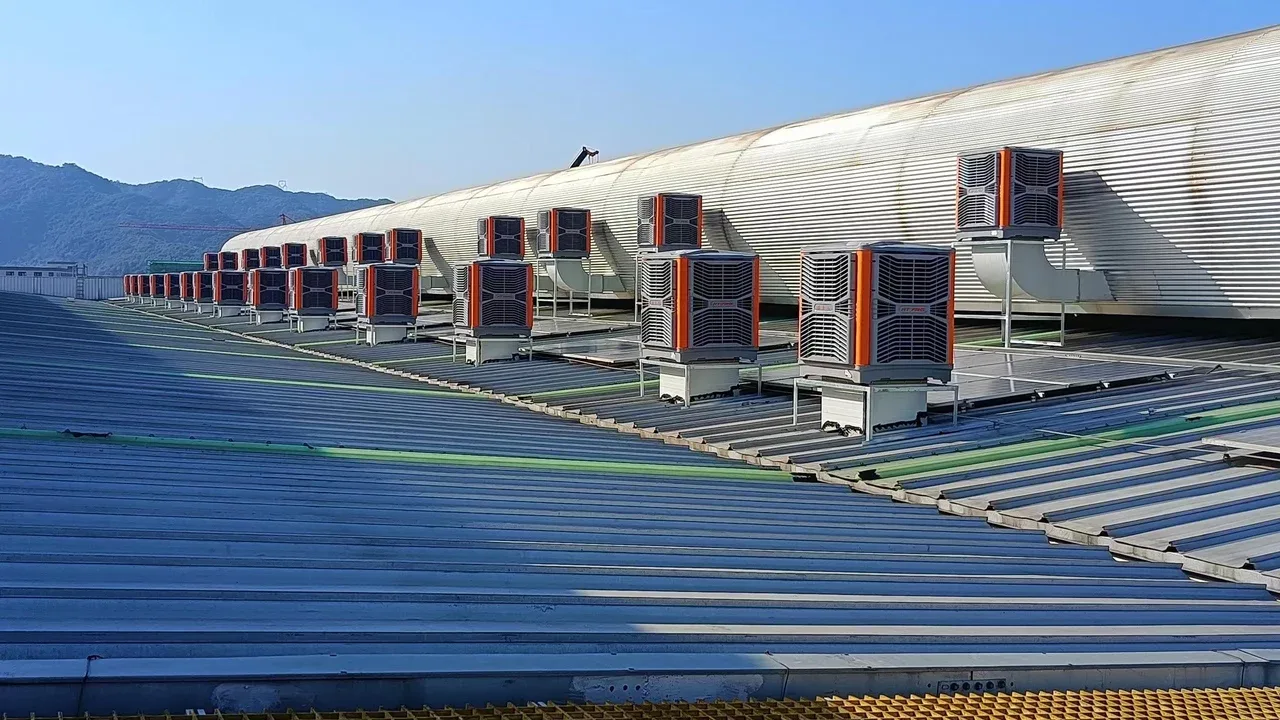
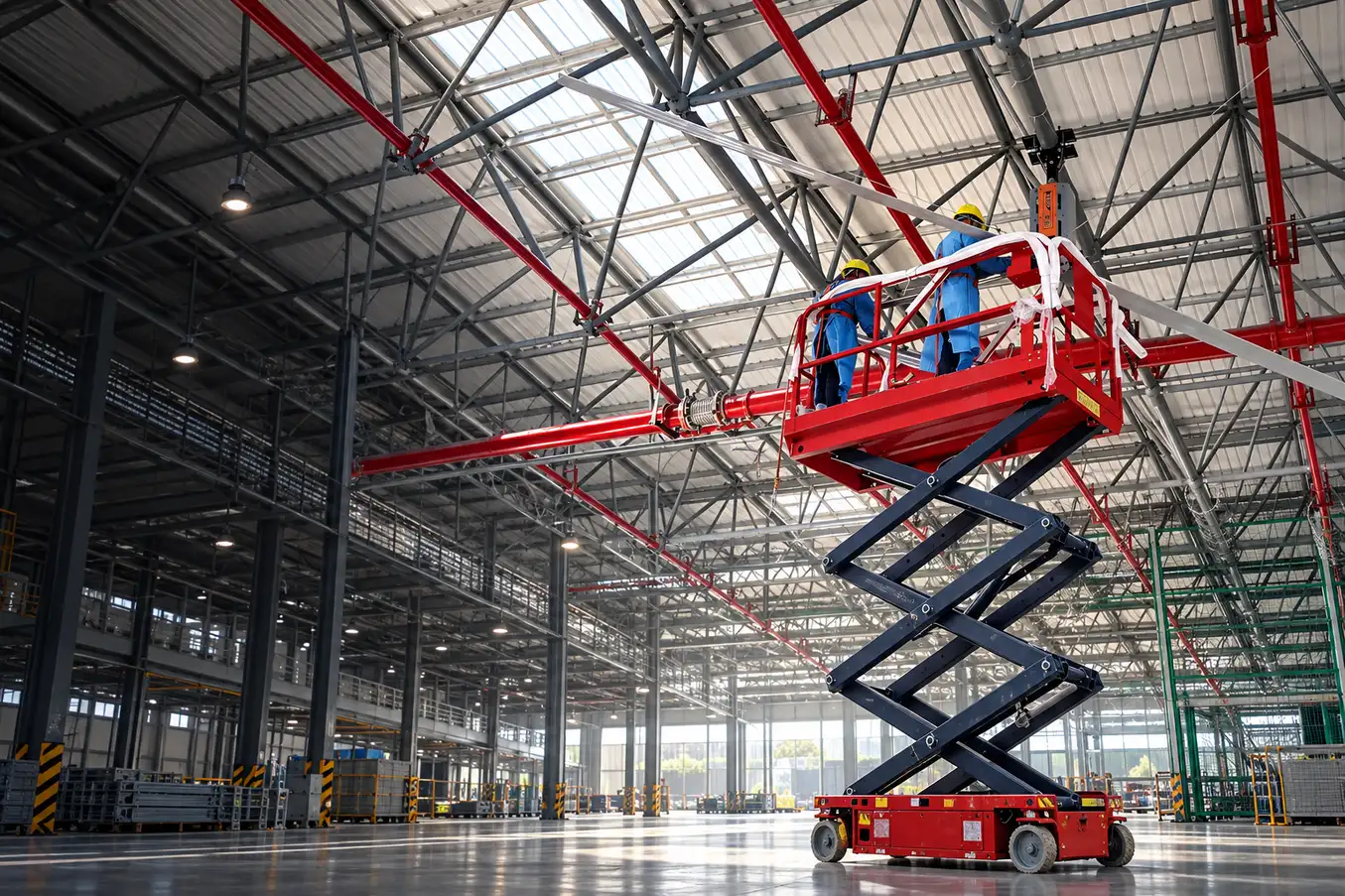
Considering the installation and maintenance aspects is vital when you choose a fan for your industrial spaces, as these factors can significantly influence operational costs and convenience. While large industrial ceiling fans, particularly HVLS fans, require professional installation due to their size and complexity, RTFANS offers a range of solutions tailored to minimize disruption and maximize efficiency. For certain applications, such as targeted cooling without permanent fixtures, our Industrial & Portable Swamp Coolers offer a unique advantage, as they require no installation.

These portable units are easily moved to provide targeted, efficient cooling, making them ideal for areas where flexibility is key or where an HVLS fan might not be the primary solution. When selecting an industrial ceiling fan, it’s important to weigh the long-term benefits of robust air circulation and energy efficiency against initial installation considerations. RTFANS aims to provide comprehensive support, guiding you through the selection process to ensure that your chosen fan not only meets your airflow needs but also aligns with your maintenance capabilities and operational requirements, ensuring seamless integration into your existing HVAC system or as a standalone solution.

Frequently Asked Questions

How Do HVLS Fans Improve Air Movement?

HVLS fans fundamentally transform air movement within large industrial spaces by creating a gentle, widespread airflow rather than a direct blast, leading to a cooler feel across the entire area. These high-volume, low-speed fans are designed to circulate massive volumes of air at remarkably low speeds, effectively destratifying the air and promoting continuous air circulation from ceiling to floor. This constant air movement helps to prevent stagnant zones and ensures consistent temperatures throughout the warehouse or commercial building, making them the best industrial ceiling fan solution for comprehensive ventilation.

Beyond just cooling, the improved air circulation from HVLS ceiling fans significantly reduces humidity, dust, and other airborne pollutants. By consistently moving air across the space, these fans help to improve air quality, creating a more comfortable and healthier environment for employees. The effectiveness of HVLS fans in promoting circulation and reducing environmental contaminants underscores their role as an energy-efficient and highly beneficial addition to any industrial setting, demonstrating how these fans move air more effectively than traditional solutions.

What is the Best Industrial Ceiling Fan for Large Spaces?

When it comes to the best industrial ceiling fan for large spaces, such as warehouses, factories, and expansive commercial buildings, HVLS (High-Volume Low-Speed) fans are unequivocally the superior choice. RTFANS specializes in providing comprehensive ventilation and cooling solutions with their cutting-edge HVLS fans, specifically engineered to move vast volumes of air at low speeds, ensuring optimal air circulation across extensive areas. The unique design and fan diameter of these industrial ceiling fans allow them to circulate air far more effectively and efficiently than traditional industrial fans, preventing stagnant air and creating a consistent, comfortable environment.

These HVLS ceiling fans are designed to provide the right fan solution for any large space, considering factors such as ceiling height and overall square footage to maximize their impact. By generating a gentle, continuous airflow, they significantly improve air movement and quality, making them an ideal choice for any industrial ceiling fan buying guide. RTFANS’s commitment to energy efficiency also means that these HVLS fans operate with minimal power consumption, significantly reducing operational costs while delivering powerful, consistent air circulation, ensuring you choose the right fan for your needs.

Can Ceiling Fans Help Reduce HVAC Costs?

Absolutely, choosing the right industrial ceiling fan, particularly an HVLS fan from RTFANS, can significantly help reduce HVAC costs and provide substantial energy efficiency benefits for industrial and commercial buildings. Our HVLS fans are specifically engineered to provide comprehensive ventilation and cooling solutions, aiming to dramatically reduce cooling and heating bills for our customers. By effectively circulating large volumes of air, HVLS ceiling fans reduce the workload on traditional HVAC systems, leading to a noticeable decrease in energy consumption and operational costs.

During warmer months, HVLS fans create a wind chill effect, providing a cooler feel that can reduce the need for air conditioning usage, thereby lowering electricity bills. In colder months, these fans can destratify warm air that accumulates near the ceiling, pushing it back down to the floor level and reducing heating demands. This continuous air movement and improved air circulation ensure that your HVAC system operates more efficiently, making HVLS fans a smart, cost-effective investment for managing climate control in any large space and a key consideration in any ceiling fan buying guide.

Scroll to Top

We use cookies on our website. Some of them are essential for the operation of the site, while others help us toimprove this site and the user experience (tracking cookies). You can decide for yourself whether you want to allow cookies or not.